Why Polybutylene Pipes Are a Problem for Treasure Valley Homes
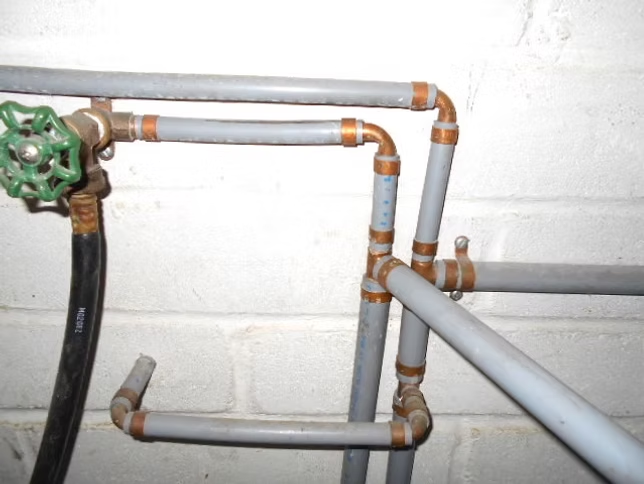
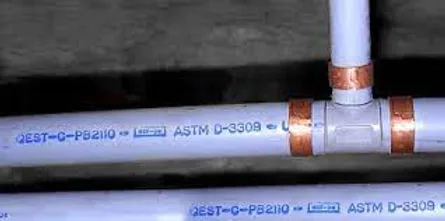
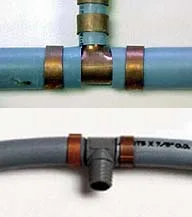
Many homes throughout Caldwell, Nampa, Meridian, Boise, and the surrounding Treasure Valley were built during a time when a plumbing material called polybutylene pipe was widely used. While it was once considered an affordable alternative to copper piping, polybutylene has since proven to be unreliable and prone to failure.
If your home was built between the late 1970s and the mid-1990s, there’s a good chance polybutylene piping could still be part of your plumbing system. Understanding why this material became a problem—and why replacing it is often recommended—can help homeowners avoid costly plumbing issues.
A Short History of Polybutylene Plumbing
Polybutylene piping was introduced in the late 1970s as a low-cost plumbing material that was flexible, lightweight, and quick to install. Because it was inexpensive compared to copper piping, builders used it in millions of homes across the United States, including many neighborhoods throughout the Treasure Valley.
For several years polybutylene was considered a modern plumbing solution. However, over time plumbers and homeowners began noticing a serious pattern of failures. Pipes would suddenly crack or rupture without warning, sometimes causing significant water damage inside homes.
By the mid-1990s, polybutylene had largely fallen out of use after widespread plumbing failures and lawsuits against manufacturers.
Why Polybutylene Pipes Fail
Unfortunately, polybutylene pipes are known for breaking down over time, especially when exposed to normal municipal water conditions. Several factors contribute to this problem.
Reaction with Chemicals in Water
Polybutylene is sensitive to chlorine and other disinfectants commonly used in municipal water systems. Over time, these chemicals can cause the pipe material to become brittle and develop cracks.
Aging Plumbing Systems
Many polybutylene systems are now 30–40 years old, which increases the likelihood of unexpected failures.
Hidden Pipe Damage
One of the biggest concerns with polybutylene is that pipes can deteriorate from the inside out. A pipe may look fine on the outside but still fail suddenly.
High Risk of Leaks
When polybutylene pipes fail, they often leak without warning. These leaks can occur inside walls, ceilings, or crawl spaces and may cause extensive water damage before they are discovered.
Insurance and Resale Concerns
Many insurance companies are hesitant to insure homes with polybutylene plumbing because of the material’s history of failures. In some cases homeowners may experience:
• Higher insurance premiums
• Limited coverage for plumbing damage
• Difficulty obtaining new insurance policies
Additionally, many home buyers are cautious about purchasing homes with polybutylene plumbing, which can affect resale value.
Why Many Homeowners Choose to Replace Polybutylene
Replacing polybutylene piping with modern plumbing materials is often the most reliable long-term solution. Today’s plumbing systems typically use PEX or copper piping, which are much more durable and resistant to failure.
Benefits of replacing polybutylene include:
• Reduced risk of unexpected leaks
• Improved reliability of the plumbing system
• Increased home value and buyer confidence
• Easier insurance approval in some cases
• Long-term peace of mind for homeowners
Polybutylene Plumbing in Treasure Valley Homes
Many homes built in the 1980s and early 1990s throughout the Treasure Valley still contain polybutylene piping. Because the material can fail unexpectedly, many homeowners choose to replace these pipes before a major leak occurs.
At RSM Plumbing, we regularly help homeowners evaluate older plumbing systems and determine whether polybutylene replacement is the right solution for their home.
Concerned About Polybutylene Pipes?
If you’re unsure whether your home has polybutylene plumbing, a professional inspection can help identify the material and assess the condition of your plumbing system.
RSM Plumbing provides polybutylene replacement and plumbing inspections for homeowners throughout Caldwell, Nampa, Meridian, Boise, and the surrounding Treasure Valley.
Taking a proactive approach today can help prevent costly plumbing problems in the future.