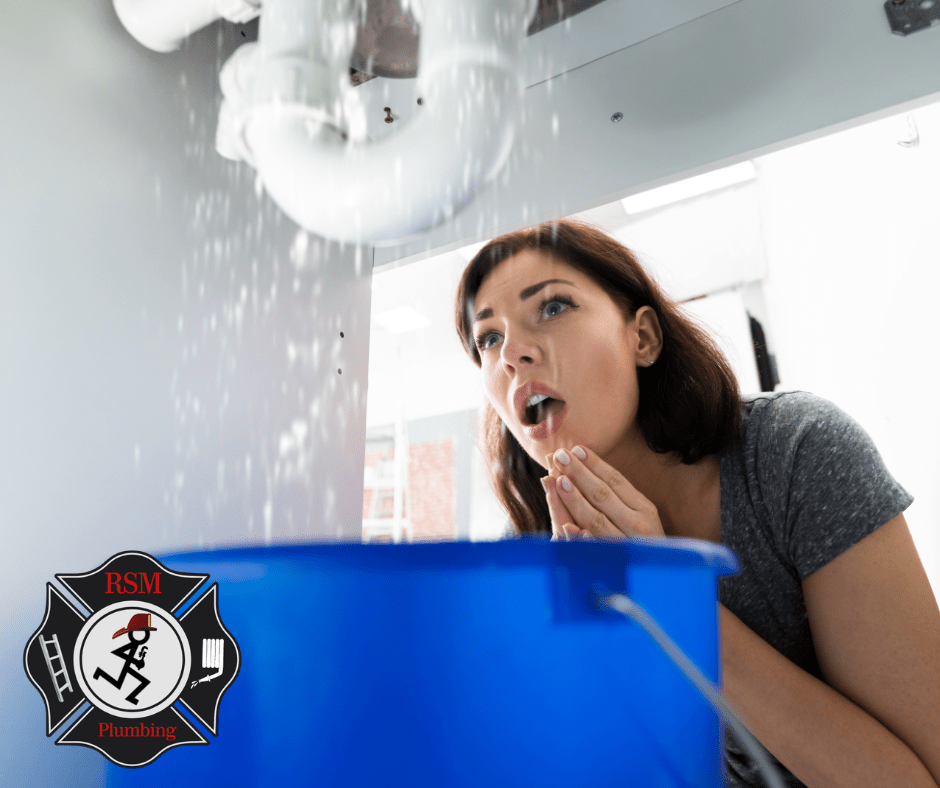
Why Polybutylene Pipes Are a Problem for Treasure Valley Homes
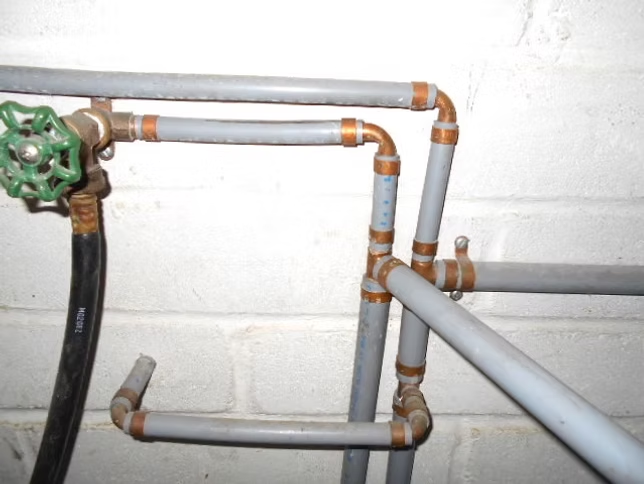
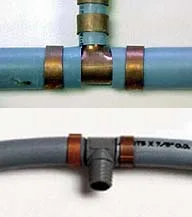
Many homes throughout Caldwell, Nampa, Meridian, Boise, and the surrounding Treasure Valley were built during a time when a plumbing material called polybutylene pipe was widely used. While it was once considered an affordable alternative to copper piping, polybutylene has since proven to be unreliable and prone to failure.
If your home was built between the late 1970s and the mid-1990s, there’s a good chance polybutylene piping could still be part of your plumbing system. Understanding why this material became a problem—and why replacing it is often recommended—can help homeowners avoid costly plumbing issues.
A Short History of Polybutylene Plumbing
Polybutylene piping was introduced in the late 1970s as a low-cost plumbing material that was flexible, lightweight, and quick to install. Because it was inexpensive compared to copper piping, builders used it in millions of homes across the United States, including many neighborhoods throughout the Treasure Valley.
For several years polybutylene was considered a modern plumbing solution. However, over time plumbers and homeowners began noticing a serious pattern of failures. Pipes would suddenly crack or rupture without warning, sometimes causing significant water damage inside homes.
By the mid-1990s, polybutylene had largely fallen out of use after widespread plumbing failures and lawsuits against manufacturers.
Why Polybutylene Pipes Fail
Unfortunately, polybutylene pipes are known for breaking down over time, especially when exposed to normal municipal water conditions. Several factors contribute to this problem.
Reaction with Chemicals in Water
Polybutylene is sensitive to chlorine and other disinfectants commonly used in municipal water systems. Over time, these chemicals can cause the pipe material to become brittle and develop cracks.
Aging Plumbing Systems
Many polybutylene systems are now 30–40 years old, which increases the likelihood of unexpected failures.
Hidden Pipe Damage
One of the biggest concerns with polybutylene is that pipes can deteriorate from the inside out. A pipe may look fine on the outside but still fail suddenly.
High Risk of Leaks
When polybutylene pipes fail, they often leak without warning. These leaks can occur inside walls, ceilings, or crawl spaces and may cause extensive water damage before they are discovered.
Insurance and Resale Concerns
Many insurance companies are hesitant to insure homes with polybutylene plumbing because of the material’s history of failures. In some cases homeowners may experience:
• Higher insurance premiums
• Limited coverage for plumbing damage
• Difficulty obtaining new insurance policies
Additionally, many home buyers are cautious about purchasing homes with polybutylene plumbing, which can affect resale value.
Why Many Homeowners Choose to Replace Polybutylene
Replacing polybutylene piping with modern plumbing materials is often the most reliable long-term solution. Today’s plumbing systems typically use PEX or copper piping, which are much more durable and resistant to failure.
Benefits of replacing polybutylene include:
• Reduced risk of unexpected leaks
• Improved reliability of the plumbing system
• Increased home value and buyer confidence
• Easier insurance approval in some cases
• Long-term peace of mind for homeowners
Polybutylene Plumbing in Treasure Valley Homes
Many homes built in the 1980s and early 1990s throughout the Treasure Valley still contain polybutylene piping. Because the material can fail unexpectedly, many homeowners choose to replace these pipes before a major leak occurs.
At RSM Plumbing, we regularly help homeowners evaluate older plumbing systems and determine whether polybutylene replacement is the right solution for their home.
Concerned About Polybutylene Pipes?
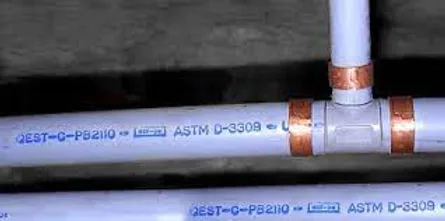
If you’re unsure whether your home has polybutylene plumbing, a professional inspection can help identify the material and assess the condition of your plumbing system.
RSM Plumbing provides polybutylene replacement and plumbing inspections for homeowners throughout Caldwell, Nampa, Meridian, Boise, and the surrounding Treasure Valley.
Taking a proactive approach today can help prevent costly plumbing problems in the future.
Upgrade Your Vintage Home’s Plumbing: Ensure Safety and Efficiency
Owning an older home comes with its own charm and history, but it also brings unique challenges, particularly with outdated plumbing systems. One of the most pressing issues for homeowners with older properties is the presence of polybutylene pipes. Widely used between the 1970s and 1990s, polybutylene pipes were once considered revolutionary. However, over time, they have proven to be prone to significant problems, including leaks and bursts, which can lead to extensive water damage and costly repairs.
### Why Updating Your Plumbing is Crucial
**1. Prevent Water Damage:** Polybutylene pipes are notorious for deteriorating over time. As they age, they become brittle and susceptible to breaks, often without warning. Upgrading your plumbing system can prevent unexpected pipe bursts that cause water damage to your home’s structure and belongings.
**2. Improve Water Quality:** Old plumbing, especially polybutylene pipes, can impact your water quality. These pipes can leach chemicals into your water supply, posing potential health risks. Replacing them with modern, safe piping materials ensures clean and safe water for your family.
**3. Increase Home Value:** Investing in plumbing upgrades not only enhances your daily living experience but also boosts your home’s market value. Potential buyers are more likely to consider a home with updated plumbing as it signifies lower maintenance costs and increased reliability.
**4. Avoid Costly Repairs:** Addressing plumbing issues proactively saves you money in the long run. Waiting until a pipe bursts or a severe leak occurs can result in expensive emergency repairs and water damage restoration.
**5. Ensure Compliance with Current Standards:** Building codes and plumbing standards have evolved significantly over the decades. Updating your plumbing ensures compliance with current regulations, providing peace of mind and avoiding potential legal issues.
### Specialized Solutions for Old Home Plumbing
Our team specializes in assessing and upgrading the plumbing systems of older homes. We understand the unique needs and challenges that come with maintaining the integrity and functionality of historic properties. Our services include:
– **Polybutylene Pipe Replacement:** We expertly replace outdated polybutylene pipes with modern, durable alternatives that guarantee longevity and reliability. – **Comprehensive Plumbing Inspections:** Our thorough inspections identify potential issues before they become major problems, ensuring your home’s plumbing system is in top condition. – **Customized Plumbing Solutions:** Every home is different, and we tailor our services to meet the specific needs of your property, preserving its charm while enhancing its functionality.
Don’t wait until it’s too late. Ensure your old home’s plumbing system is safe, efficient, and up-to-date. Contact us today for a free consultation and take the first step towards safeguarding your home’s plumbing.
If you live in or are considering purchasing an older home, you're likely drawn to the charm and character these houses offer. However, older homes often come with their fair share of plumbing issues. Understanding these potential problems can help you maintain your home better and avoid costly repairs down the line. Here are some of the most common plumbing issues found in older homes:
1. Galvanized Pipes
One of the most prevalent issues in older homes is the presence of galvanized pipes. These pipes, which were commonly used in homes built before the 1960s, are coated with zinc to prevent rusting. However, over time, the zinc erodes, leading to corrosion and rust build-up inside the pipes. This can cause reduced water pressure, discolored water, and, ultimately, pipe leaks or bursts.
Solution: Consider replacing galvanized pipes with modern alternatives like copper or PEX (cross-linked polyethylene) pipes.
2. Pipe Bellies
As homes settle over the years, the pipes beneath them can shift, creating what is known as "pipe bellies." These are sagging sections of pipe that can lead to water pooling, increased pressure on joints, and eventually, leaks or pipe bursts.
Solution: A professional plumber can inspect your pipes with a camera to identify any bellies and suggest appropriate repairs, which might include replacing or re-routing affected sections.
3. Outdated Sewer Lines
Older homes often have sewer lines made from clay, cast iron, or Orangeburg (a type of bitumen pipe), which can deteriorate over time. Tree roots are particularly problematic as they can infiltrate these old sewer lines, causing blockages and backups.
Solution: Regular sewer line inspections and cleanings can help prevent major issues. In some cases, replacing the sewer line with more durable materials like PVC might be necessary.
4. Faulty Plumbing Fixtures
Plumbing fixtures in older homes, such as faucets, showerheads, and toilets, can wear out or become outdated. These fixtures may not only be less efficient but also more prone to leaks and other problems.
Solution: Upgrading to modern, water-efficient fixtures can improve functionality and reduce water usage.
5. Low Water Pressure
A common complaint in older homes is low water pressure. This can result from various factors, including corroded pipes, pipe bellies, and outdated fixtures.
Solution: Identifying the root cause of low water pressure is essential. A professional plumber can diagnose the issue and recommend appropriate repairs, which might include pipe replacement, fixture upgrades, or installing a pressure-boosting system.
6. Leaking Faucets and Pipes
Wear and tear over the years can cause faucets and pipes to leak. Leaking faucets are not only annoying but can also waste a significant amount of water over time.
Solution: Regularly inspect your plumbing for leaks and address them promptly. Replacing worn-out washers or seals can often fix leaking faucets, while pipe leaks might require more extensive repairs or replacements.
7. Water Heater Issues
Older homes often have older water heaters that can become less efficient and more prone to problems over time. Sediment build-up, corrosion, and worn-out components can lead to insufficient hot water and even water heater failure.
Solution: Regular maintenance, such as flushing the water heater to remove sediment, can extend its lifespan. If your water heater is more than 10-15 years old, it might be time to consider a replacement.
Conclusion
Owning an older home comes with unique challenges, especially when it comes to plumbing. Being aware of these common issues can help you take proactive measures to maintain your home's plumbing system. Regular inspections and timely repairs are crucial to avoiding major plumbing disasters and preserving the charm and functionality of your older home. If you're unsure about the condition of your plumbing, consulting with a professional plumber can provide peace of mind and expert guidance on necessary updates and repairs.
Plumbing is an essential aspect of our daily lives, and yet there are so many misconceptions about it. As a plumbing contractor in Boise, Idaho, we've encountered countless plumbing myths over the years. In this blog, we will debunk the top 10 plumbing myths and separate fact from fiction.
1. Myth: Lemons can clean your garbage disposal.
Fact: While lemons may help freshen up the smell of your garbage disposal, they won't clean it. To clean your garbage disposal, use a specialized cleaner or call a professional.
2. Myth: You can flush anything down the toilet.
Fact: Flushing anything besides toilet paper and human waste can clog your pipes and cause damage to your plumbing system.
3. Myth: DIY plumbing repairs can save you money.
Fact: While DIY plumbing repairs may seem cost-effective, they can lead to more expensive repairs if done incorrectly. It's always best to call a professional plumber to avoid further damage.
4. Myth: A leaky faucet isn't a big deal.
Fact: A leaky faucet can waste a significant amount of water and increase your water bill. It's best to address the issue as soon as possible to avoid further damage.
5. Myth: Plumbing fixtures never need to be replaced.
Fact: Plumbing fixtures have a limited lifespan and will eventually need to be replaced. Replacing them can improve water efficiency and quality.
6. Myth: Drain cleaners are a safe and effective way to clear clogs.
Fact: Drain cleaners can cause damage to your plumbing system and are not always effective in clearing clogs. It's best to call a professional plumber to handle clogs.
7. Myth: All plumbers are the same.
Fact: Not all plumbers have the same level of expertise and experience. It's essential to do your research and find a reputable and experienced plumber.
8. Myth: Water heaters never need maintenance.
Fact: Water heaters require regular maintenance to avoid breakdowns and prolong their lifespan.
9. Myth: Plumbing problems will fix themselves over time.
Fact: Plumbing problems will not fix themselves and will only get worse if ignored. It's best to call a professional plumber as soon as possible.
10. Myth: Plumbing isn't a necessary expense.
Fact: Plumbing is essential for maintaining a safe and healthy living environment. The cost of repairs and maintenance is a necessary expense to ensure the longevity and efficiency of your plumbing system.
In conclusion, there are many plumbing myths that can lead to costly mistakes and damage to your plumbing system. As a plumbing contractor in Boise, Idaho, we're here to help separate fact from fiction and provide you with reliable and trustworthy plumbing services.
Boise, Idaho Plumbing: Tips and Tricks for Keeping Your Home's Plumbing in Top Shape
If you live in Boise, Idaho, you know that having a reliable plumbing system is essential for your home's comfort and safety. Whether you're dealing with a leaky faucet or a clogged drain, it's important to take care of these issues before they become more significant problems. In this article, we'll provide some tips and tricks for keeping your home's plumbing in top shape.
Regular Maintenance
One of the most important things you can do to keep your home's plumbing system in top shape is to schedule regular maintenance with a professional plumber. A plumber can inspect your pipes, check for leaks, and clean out any buildup that may be causing clogs. By doing this on a regular basis, you can catch any potential issues before they become major problems.
Don't Ignore Leaks
If you notice a leak in your home's plumbing system, it's important to address it as soon as possible. Even a small leak can waste a significant amount of water over time, and it can also cause damage to your walls, floors, and ceilings. If you're not comfortable fixing the leak yourself, don't hesitate to call a professional plumber to get the job done right.
Avoid Chemical Drain Cleaners
While chemical drain cleaners may seem like a quick fix for clogged drains, they can actually cause more harm than good. These products can damage your pipes over time, leading to more significant plumbing problems down the road. Instead, try using a plunger or a drain snake to remove any clogs, or call a professional plumber to help you out.
Upgrade Your Fixtures
If your home's plumbing fixtures are outdated, it may be time for an upgrade. Newer fixtures are more efficient and can help you save money on your water bill. Additionally, they can also improve the overall look and feel of your home's bathrooms and kitchens.
Insulate Your Pipes
During the cold winter months in Boise, it's important to take steps to protect your home's plumbing system from freezing temperatures. One way to do this is to insulate your pipes to help prevent them from freezing and bursting. This is especially important if you have pipes that are located in unheated areas of your home, such as your attic or crawl space.
Conclusion
By following these tips and tricks, you can help keep your home's plumbing system in top shape. Whether you're dealing with a minor leak or a more significant plumbing issue, it's important to take action right away to prevent further damage. And if you ever need professional plumbing services in Boise, Idaho, don't hesitate to call a trusted local plumber to get the job done right.