🚿 A Day in the Life at RSM Plumbing (TikTok Edition)

🚿 A Day in the Life at RSM Plumbing (TikTok Edition)
🚿 A Day in the Life at RSM Plumbing (TikTok Edition)

Sometimes plumbing is serious…

and sometimes it’s just plain fun.

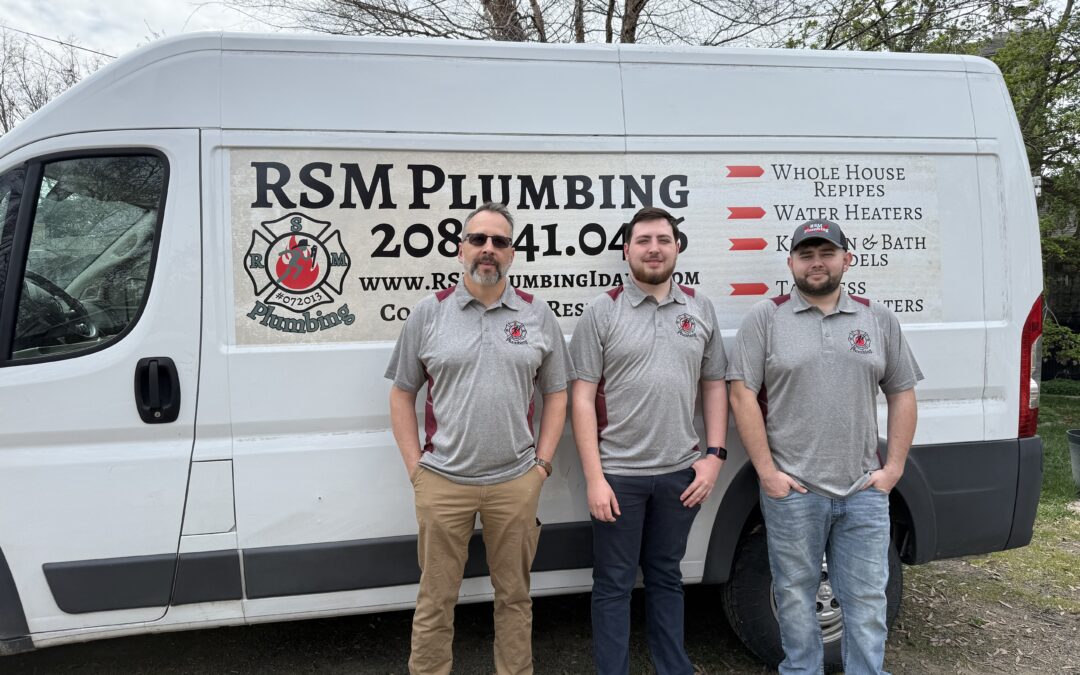
We put together a quick TikTok showing a little behind-the-scenes of what it’s like working at RSM Plumbing—from getting the job done to the moments in between where the crew doesn’t take themselves too seriously.

🔧 It’s Not Always Just Pipes and Wrenches


Most people only see the finished result:

✔ The new water heater

✔ The working drain

✔ The upgraded bathroom

But what you don’t always see is everything that goes into it:

  • The teamwork

  • The problem-solving

  • The early mornings and long days

  • And yeah… a few laughs along the way


😂 We Know How to Have Fun Too


We take our work seriously—but not ourselves.

You’ll see a mix of:

  • The crew in action

  • Some behind-the-scenes moments

  • A few laughs that probably shouldn’t make it on camera (but did anyway)


Because at the end of the day, we’re just a local, family-run crew that enjoys what we do and takes pride in doing it right.

📍 Local, Reliable, Real People


RSM Plumbing is based in Caldwell, Idaho and serves the entire Treasure Valley, including Nampa, Meridian, Boise, and surrounding areas.

Whether it’s a major repair or a small job, you’re getting:

  • Real people

  • Honest work

  • And a crew that actually enjoys showing up every day


🎥 Check Out the Video


👉 Watch the TikTok and see what we’re all about.

@rsmplumbingidaho Meet the crew behind RSM Plumbing 🔧 We take our plumbing seriously… but not always ourselves 😄 Just a small local crew based in Caldwell, Idaho helping our Treasure Valley neighbors with everything from leaks to water heaters and bathroom plumbing. #R#RSMPlumbingC#CaldwellIdahoI#IdahoPlumberT#TreasureValleyL#LocalBusiness ♬ Good Day - Nappy Roots

🔧 Need Help With Plumbing?


If your plumbing isn’t quite as fun as this video… we can help with that.

Comprehensive Plumbing Solutions

Plumbing Services
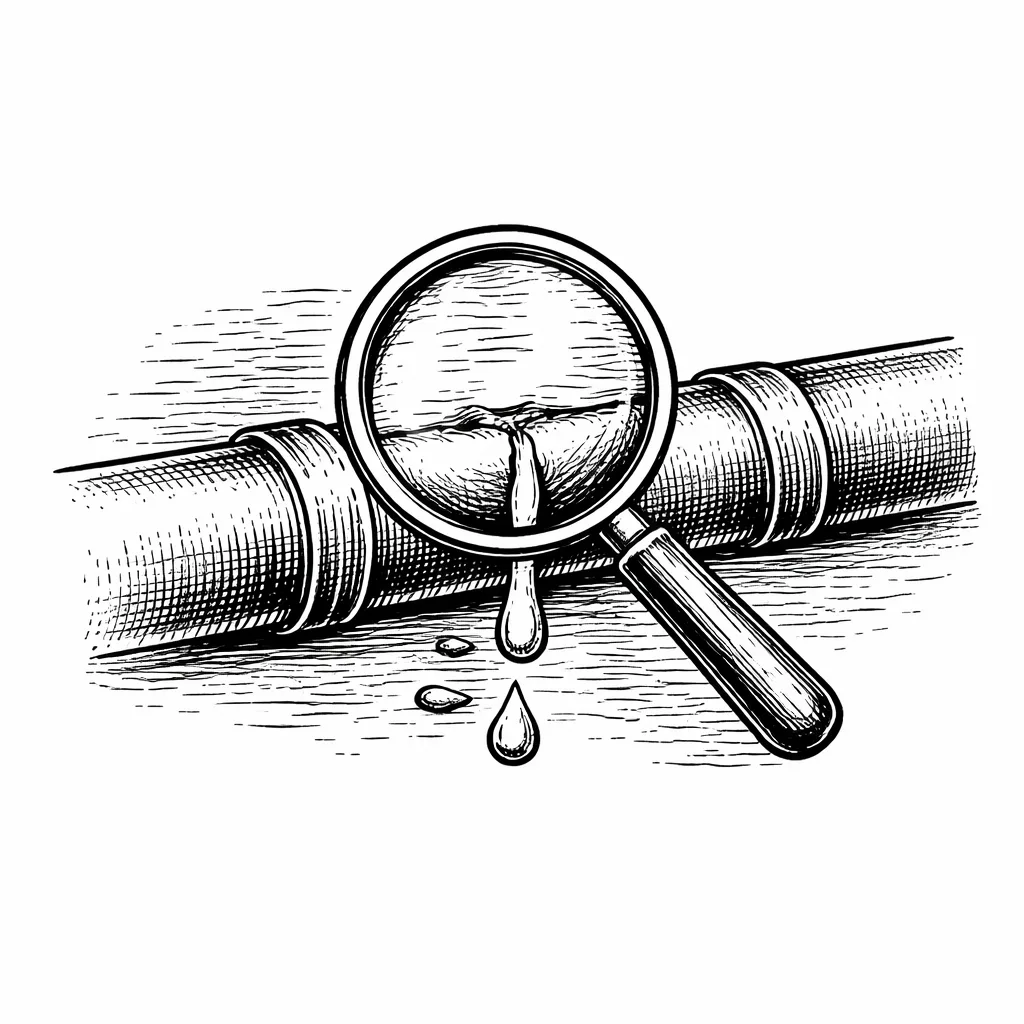
Leak Detection

Accurate leak detection services to prevent water damage and costly repairs.
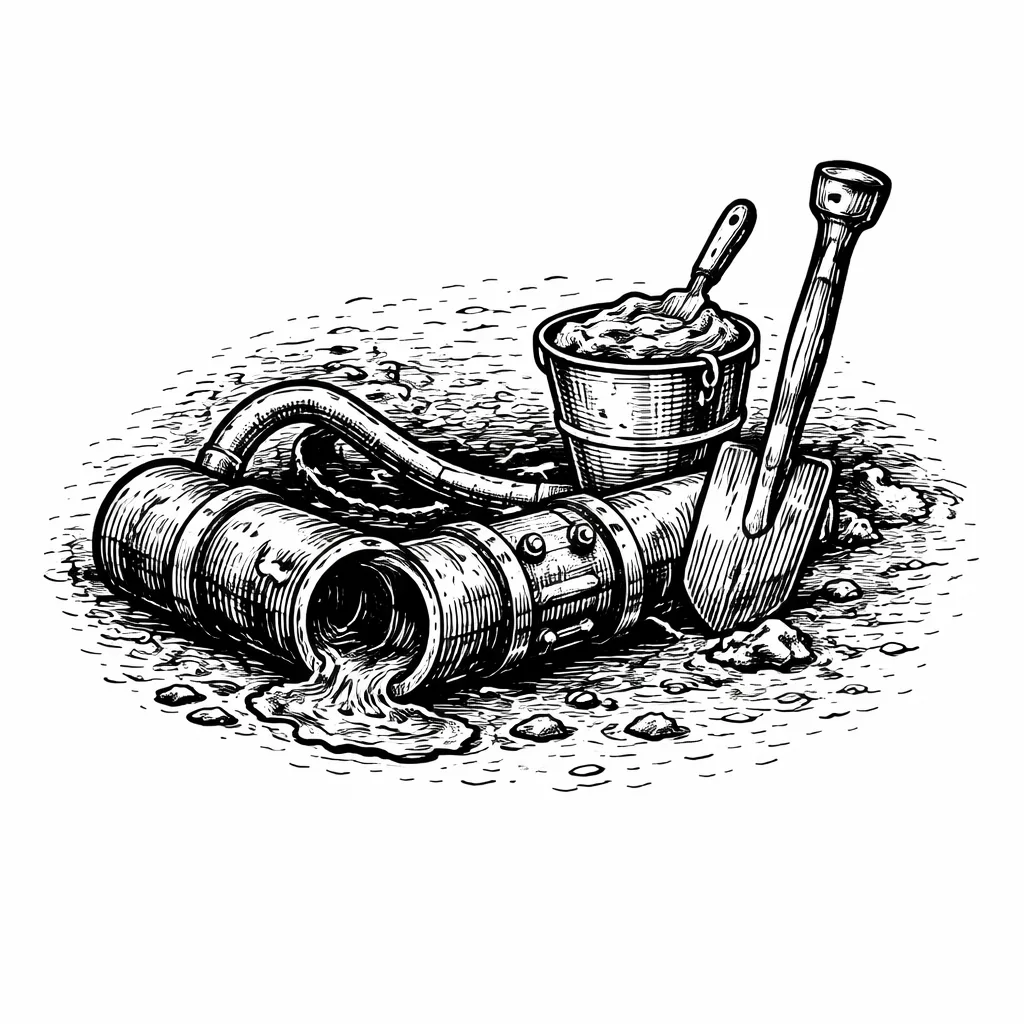
Sewer Repair

Professional sewer repair services to maintain a healthy and functional plumbing system.
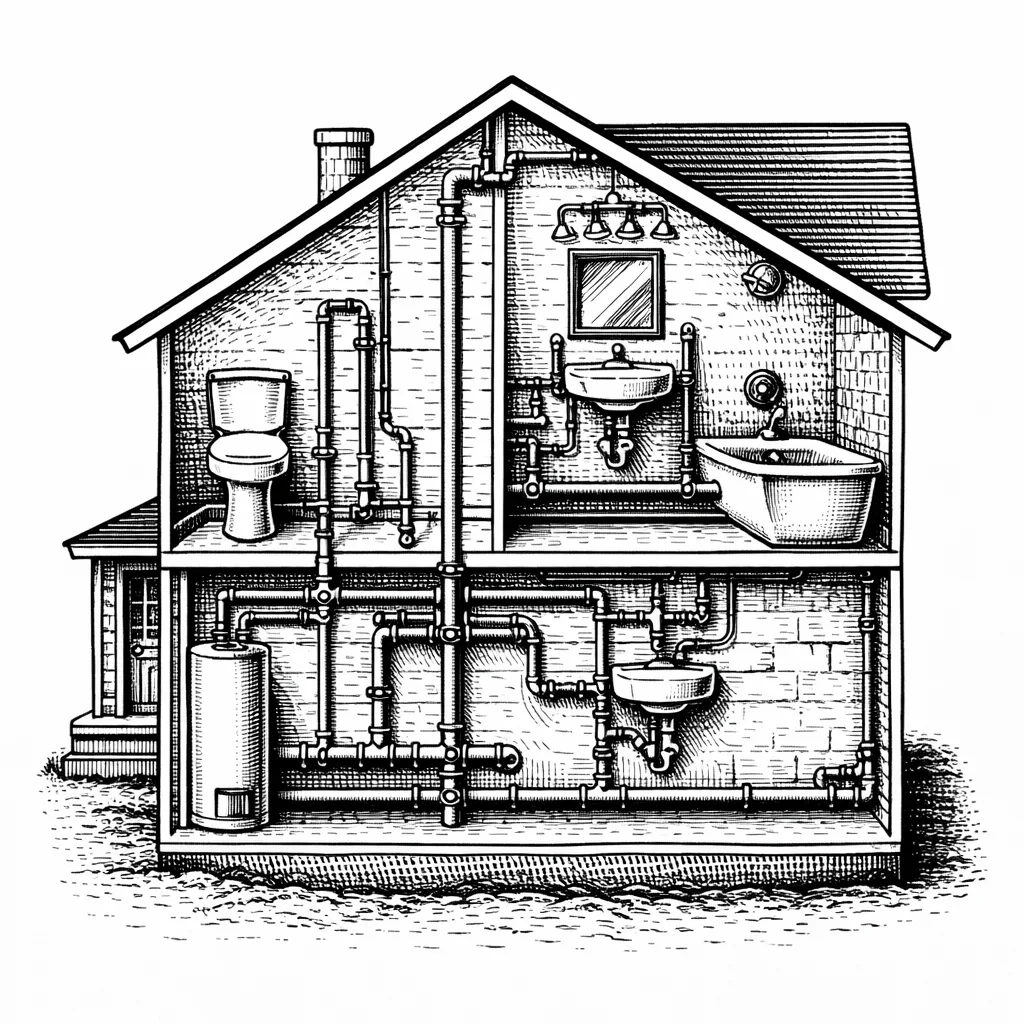
Repiping Services

Upgrade your plumbing with our expert repiping services for long-lasting reliability.
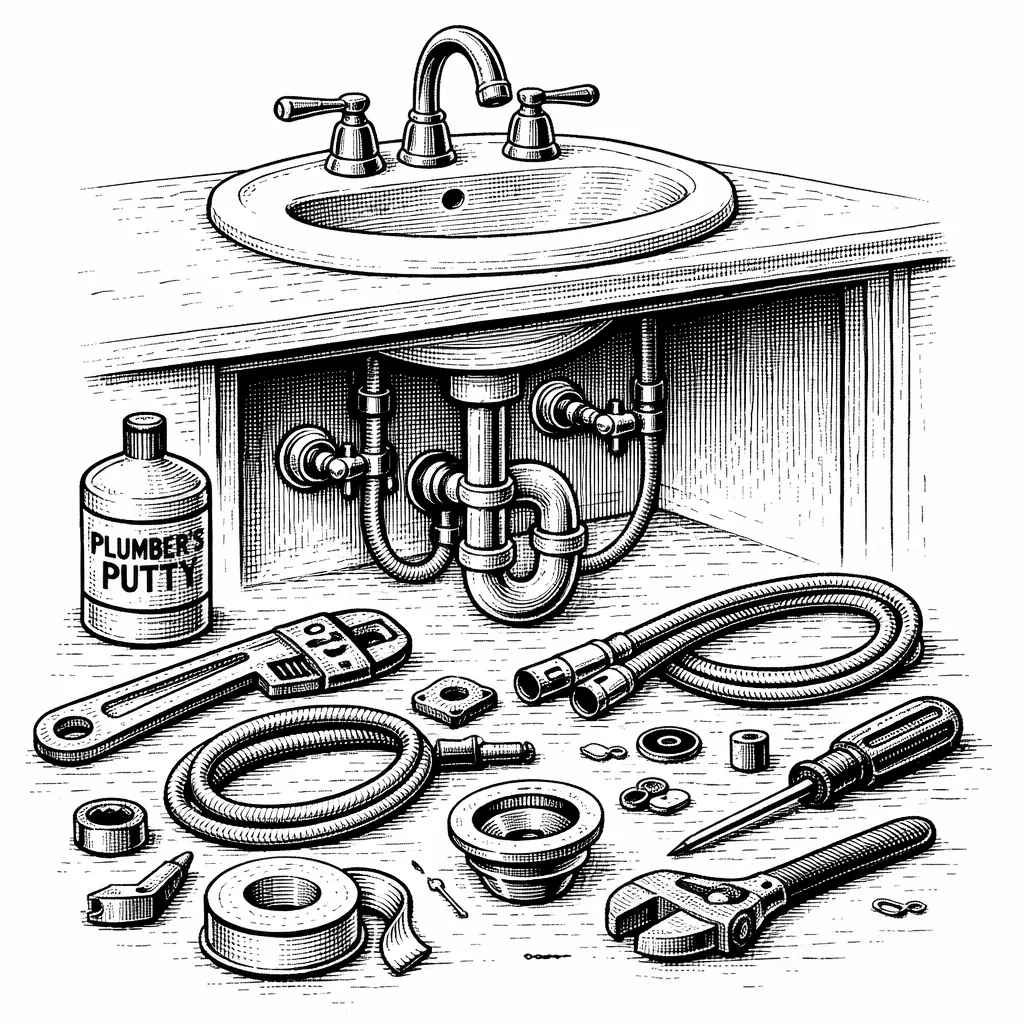
Faucet Repair

Quick and efficient faucet repair to stop leaks and conserve water.
Toilet Installation

Expert toilet installation services for improved efficiency and comfort.
Emergency Plumbing

24/7 emergency plumbing services to address urgent issues promptly.
How to find your homes Main Water Shut off Valve

How to find your homes Main Water Shut off Valve

How to Find Your Home’s Main Water Shut-Off Valve

One of the most important things every homeowner should know is where the main water shut-off valve is located in their home. If a pipe bursts or a plumbing leak suddenly develops, shutting off the water quickly can prevent serious water damage.

At RSM Plumbing, we always recommend homeowners take a few minutes to locate their main shut-off valve before a plumbing emergency happens.


Why the Main Shut-Off Valve Is Important


Your home’s main water shut-off valve controls the flow of water entering the entire house. When it’s turned off, water stops flowing to all plumbing fixtures including sinks, toilets, showers, appliances, and outdoor faucets.

Knowing where this valve is located allows you to quickly stop water flow if you experience:

• A burst pipe

• A leaking water heater

• A broken faucet or supply line

• A plumbing fixture overflowing

• Major plumbing leaks inside the home

In many situations, shutting off the water immediately can prevent thousands of dollars in water damage.


Common Places to Find Your Main Water Shut-Off


The exact location can vary depending on the age of the home and how it was built, but most homes in Caldwell, Nampa, Meridian, Boise, and the surrounding Treasure Valley will have the shut-off valve in one of these locations.

Near the Water Heater


Many homes have the main shut-off valve located near the water heater where the main water line enters the house.

In a Utility Room or Mechanical Room


In some homes the valve is located in a utility room, laundry room, or mechanical area.

In the Basement or Crawlspace


If your home has a basement or crawlspace, the shut-off valve may be located where the water line enters the foundation.

Near the Front Exterior Wall


Sometimes the valve is located near the front wall of the home where the water service line enters from the street.


What the Valve May Look Like


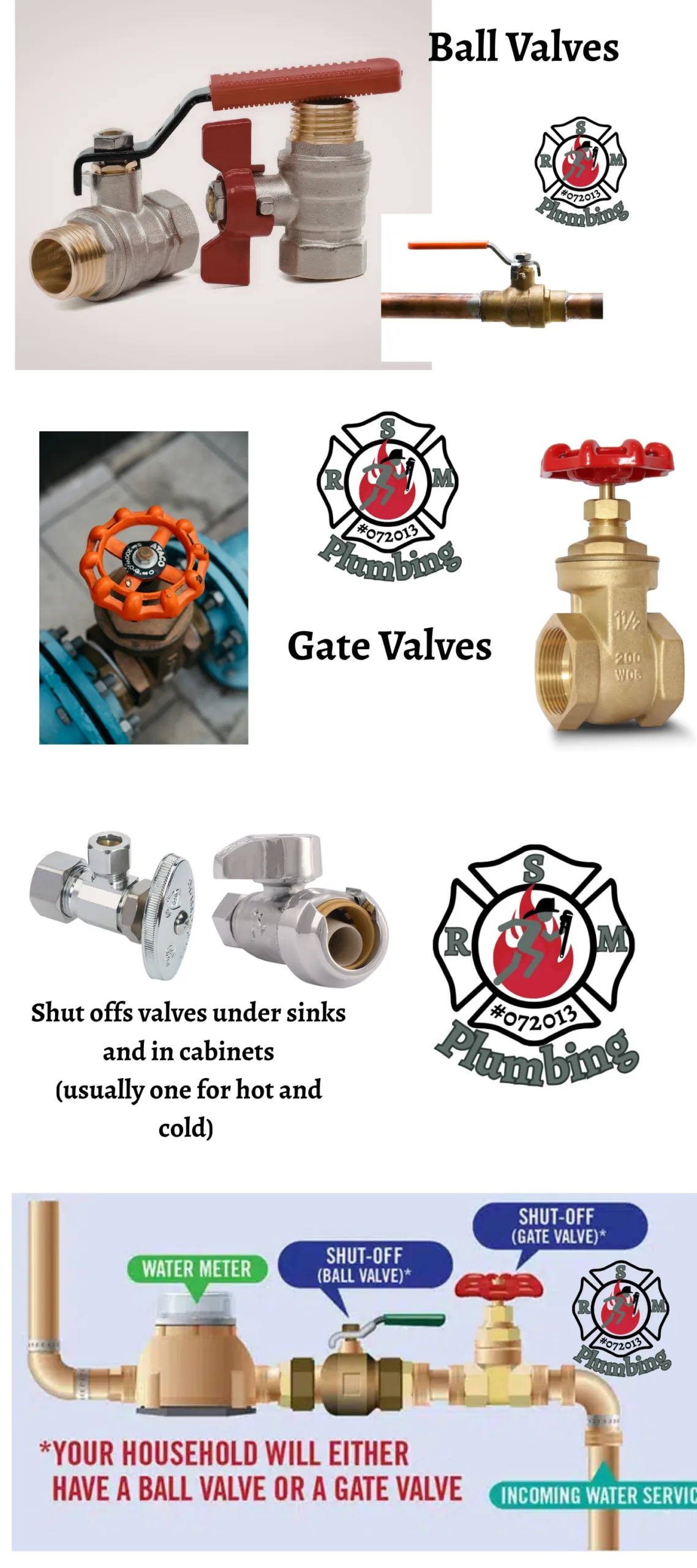
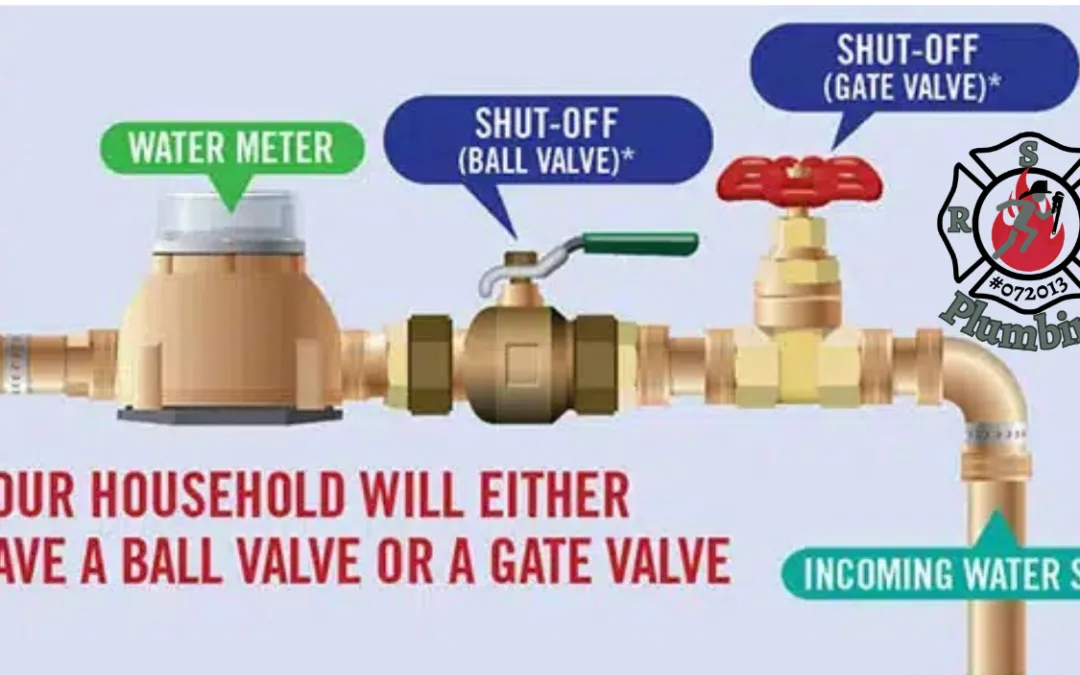
There are two common types of main shut-off valves.

Gate Valve


This type uses a round handle that turns multiple times to close the valve.

Ball Valve


This type uses a lever handle that turns a quarter turn to stop water flow.

Ball valves are more common in newer homes because they are easier and faster to shut off during an emergency.


How to Turn Off the Water


Once you locate the valve:

• Turn the valve clockwise to shut off the water

• If it is a lever-style ball valve, turn the handle 90 degrees until it stops

• After turning the valve off, open a faucet to confirm water has stopped flowing

If the valve is difficult to turn or appears damaged, it may need replacement.


When to Call a Plumber


If you cannot locate your shut-off valve or if the valve no longer works properly, it’s a good idea to have a plumber inspect it. A functioning main shut-off valve is an important safety feature for your home.

At RSM Plumbing, we help homeowners throughout the Treasure Valley locate, repair, or replace their main shut-off valves to ensure they can quickly stop water flow during a plumbing emergency.


Pro Tip for Homeowners


It’s a good idea to show everyone in your household where the main water shut-off valve is located so it can be turned off quickly if needed.

Many homeowners also place a small label or tag near the valve to make it easier to identify.


Frequently Asked Questions


Should every home have a main water shut-off valve?


Yes. Every home should have a main valve that can stop the flow of water entering the house.

How often should I check my shut-off valve?


It’s a good idea to check it once or twice a year to make sure it still turns properly.

What if my shut-off valve won’t turn?


Older valves can sometimes seize up. A plumber can replace the valve with a modern ball valve that operates more easily.

Is the water meter valve the same as the house shut-off?


Not exactly. The meter valve is typically owned by the utility company, while the home shut-off valve is inside the house.

Can shutting off the water damage plumbing?


No. Turning off the main water supply simply stops water flow and does not harm the plumbing system.

valve types whole house shut offs
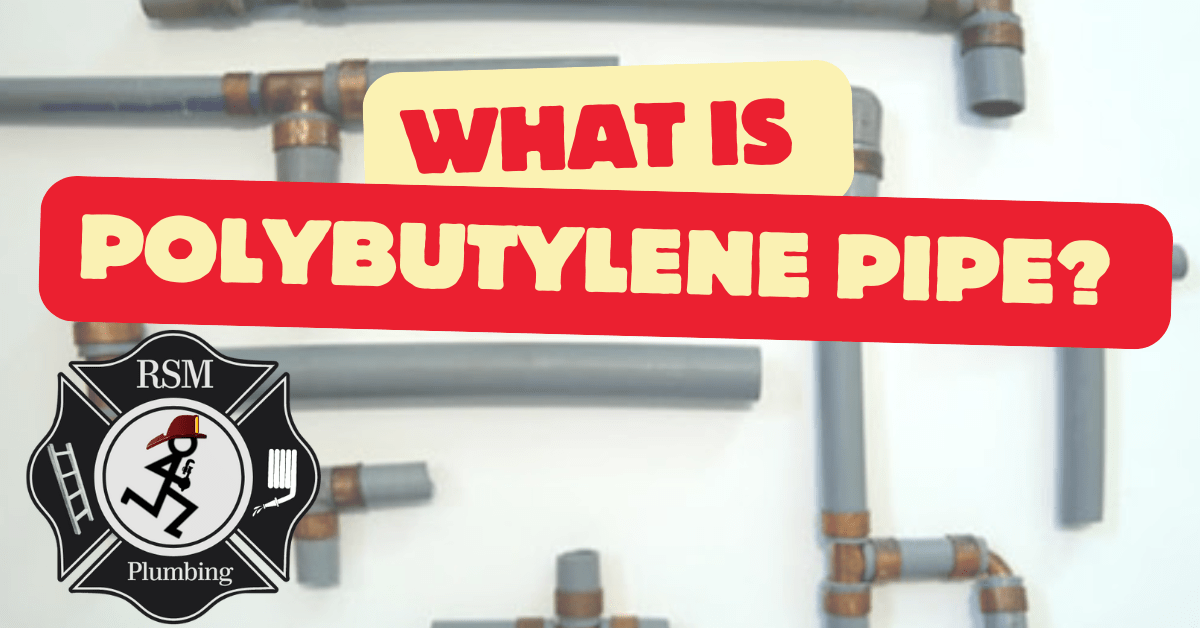
The History of Polybutylene Plumbing: Why It’s Time to Upgrade

The History of Polybutylene Plumbing: Why It’s Time to Upgrade

Why Polybutylene Pipes Are a Problem for Treasure Valley Homes


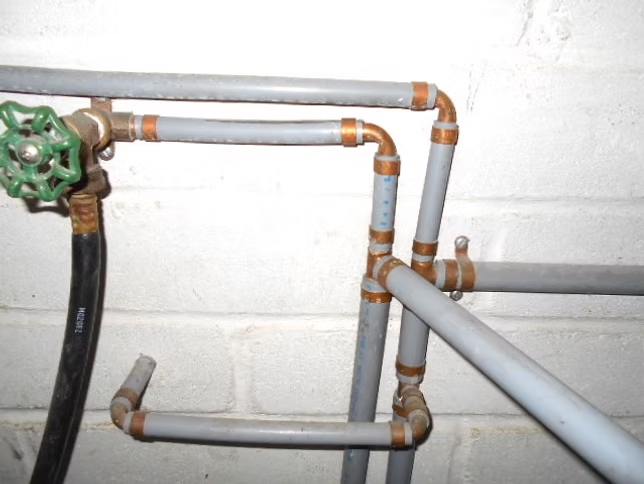
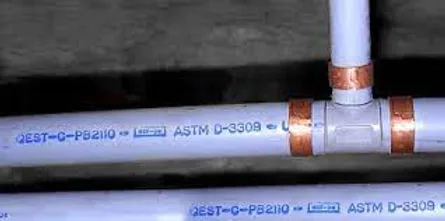
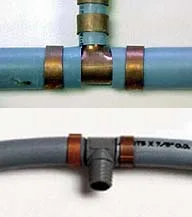
Many homes throughout Caldwell, Nampa, Meridian, Boise, and the surrounding Treasure Valley were built during a time when a plumbing material called polybutylene pipe was widely used. While it was once considered an affordable alternative to copper piping, polybutylene has since proven to be unreliable and prone to failure.

If your home was built between the late 1970s and the mid-1990s, there’s a good chance polybutylene piping could still be part of your plumbing system. Understanding why this material became a problem—and why replacing it is often recommended—can help homeowners avoid costly plumbing issues.


A Short History of Polybutylene Plumbing


Polybutylene piping was introduced in the late 1970s as a low-cost plumbing material that was flexible, lightweight, and quick to install. Because it was inexpensive compared to copper piping, builders used it in millions of homes across the United States, including many neighborhoods throughout the Treasure Valley.

For several years polybutylene was considered a modern plumbing solution. However, over time plumbers and homeowners began noticing a serious pattern of failures. Pipes would suddenly crack or rupture without warning, sometimes causing significant water damage inside homes.

By the mid-1990s, polybutylene had largely fallen out of use after widespread plumbing failures and lawsuits against manufacturers.


Why Polybutylene Pipes Fail


Unfortunately, polybutylene pipes are known for breaking down over time, especially when exposed to normal municipal water conditions. Several factors contribute to this problem.

Reaction with Chemicals in Water


Polybutylene is sensitive to chlorine and other disinfectants commonly used in municipal water systems. Over time, these chemicals can cause the pipe material to become brittle and develop cracks.

Aging Plumbing Systems


Many polybutylene systems are now 30–40 years old, which increases the likelihood of unexpected failures.

Hidden Pipe Damage


One of the biggest concerns with polybutylene is that pipes can deteriorate from the inside out. A pipe may look fine on the outside but still fail suddenly.

High Risk of Leaks


When polybutylene pipes fail, they often leak without warning. These leaks can occur inside walls, ceilings, or crawl spaces and may cause extensive water damage before they are discovered.


Insurance and Resale Concerns


Many insurance companies are hesitant to insure homes with polybutylene plumbing because of the material’s history of failures. In some cases homeowners may experience:

• Higher insurance premiums

• Limited coverage for plumbing damage

• Difficulty obtaining new insurance policies

Additionally, many home buyers are cautious about purchasing homes with polybutylene plumbing, which can affect resale value.


Why Many Homeowners Choose to Replace Polybutylene


Replacing polybutylene piping with modern plumbing materials is often the most reliable long-term solution. Today’s plumbing systems typically use PEX or copper piping, which are much more durable and resistant to failure.

Benefits of replacing polybutylene include:

• Reduced risk of unexpected leaks

• Improved reliability of the plumbing system

• Increased home value and buyer confidence

• Easier insurance approval in some cases

• Long-term peace of mind for homeowners


Polybutylene Plumbing in Treasure Valley Homes


Many homes built in the 1980s and early 1990s throughout the Treasure Valley still contain polybutylene piping. Because the material can fail unexpectedly, many homeowners choose to replace these pipes before a major leak occurs.

At RSM Plumbing, we regularly help homeowners evaluate older plumbing systems and determine whether polybutylene replacement is the right solution for their home.


Concerned About Polybutylene Pipes?


If you’re unsure whether your home has polybutylene plumbing, a professional inspection can help identify the material and assess the condition of your plumbing system.

RSM Plumbing provides polybutylene replacement and plumbing inspections for homeowners throughout Caldwell, Nampa, Meridian, Boise, and the surrounding Treasure Valley.

Taking a proactive approach today can help prevent costly plumbing problems in the future.

Common Plumbing Issues in Older Homes: What You Need to Know

Common Plumbing Issues in Older Homes: What You Need to Know

If you live in or are considering purchasing an older home, you're likely drawn to the charm and character these houses offer. However, older homes often come with their fair share of plumbing issues. Understanding these potential problems can help you maintain your home better and avoid costly repairs down the line. Here are some of the most common plumbing issues found in older homes:

1. Galvanized Pipes

One of the most prevalent issues in older homes is the presence of galvanized pipes. These pipes, which were commonly used in homes built before the 1960s, are coated with zinc to prevent rusting. However, over time, the zinc erodes, leading to corrosion and rust build-up inside the pipes. This can cause reduced water pressure, discolored water, and, ultimately, pipe leaks or bursts.

Solution: Consider replacing galvanized pipes with modern alternatives like copper or PEX (cross-linked polyethylene) pipes.

2. Pipe Bellies

As homes settle over the years, the pipes beneath them can shift, creating what is known as "pipe bellies." These are sagging sections of pipe that can lead to water pooling, increased pressure on joints, and eventually, leaks or pipe bursts.

Solution: A professional plumber can inspect your pipes with a camera to identify any bellies and suggest appropriate repairs, which might include replacing or re-routing affected sections.

3. Outdated Sewer Lines

Older homes often have sewer lines made from clay, cast iron, or Orangeburg (a type of bitumen pipe), which can deteriorate over time. Tree roots are particularly problematic as they can infiltrate these old sewer lines, causing blockages and backups.

Solution: Regular sewer line inspections and cleanings can help prevent major issues. In some cases, replacing the sewer line with more durable materials like PVC might be necessary.

4. Faulty Plumbing Fixtures

Plumbing fixtures in older homes, such as faucets, showerheads, and toilets, can wear out or become outdated. These fixtures may not only be less efficient but also more prone to leaks and other problems.

Solution: Upgrading to modern, water-efficient fixtures can improve functionality and reduce water usage.

5. Low Water Pressure

A common complaint in older homes is low water pressure. This can result from various factors, including corroded pipes, pipe bellies, and outdated fixtures.

Solution: Identifying the root cause of low water pressure is essential. A professional plumber can diagnose the issue and recommend appropriate repairs, which might include pipe replacement, fixture upgrades, or installing a pressure-boosting system.

6. Leaking Faucets and Pipes

Wear and tear over the years can cause faucets and pipes to leak. Leaking faucets are not only annoying but can also waste a significant amount of water over time.

Solution: Regularly inspect your plumbing for leaks and address them promptly. Replacing worn-out washers or seals can often fix leaking faucets, while pipe leaks might require more extensive repairs or replacements.

7. Water Heater Issues

Older homes often have older water heaters that can become less efficient and more prone to problems over time. Sediment build-up, corrosion, and worn-out components can lead to insufficient hot water and even water heater failure.

Solution: Regular maintenance, such as flushing the water heater to remove sediment, can extend its lifespan. If your water heater is more than 10-15 years old, it might be time to consider a replacement.

Conclusion

Owning an older home comes with unique challenges, especially when it comes to plumbing. Being aware of these common issues can help you take proactive measures to maintain your home's plumbing system. Regular inspections and timely repairs are crucial to avoiding major plumbing disasters and preserving the charm and functionality of your older home. If you're unsure about the condition of your plumbing, consulting with a professional plumber can provide peace of mind and expert guidance on necessary updates and repairs.

Privacy Overview

This website uses cookies so that we can provide you with the best user experience possible. Cookie information is stored in your browser and performs functions such as recognising you when you return to our website and helping our team to understand which sections of the website you find most interesting and useful.