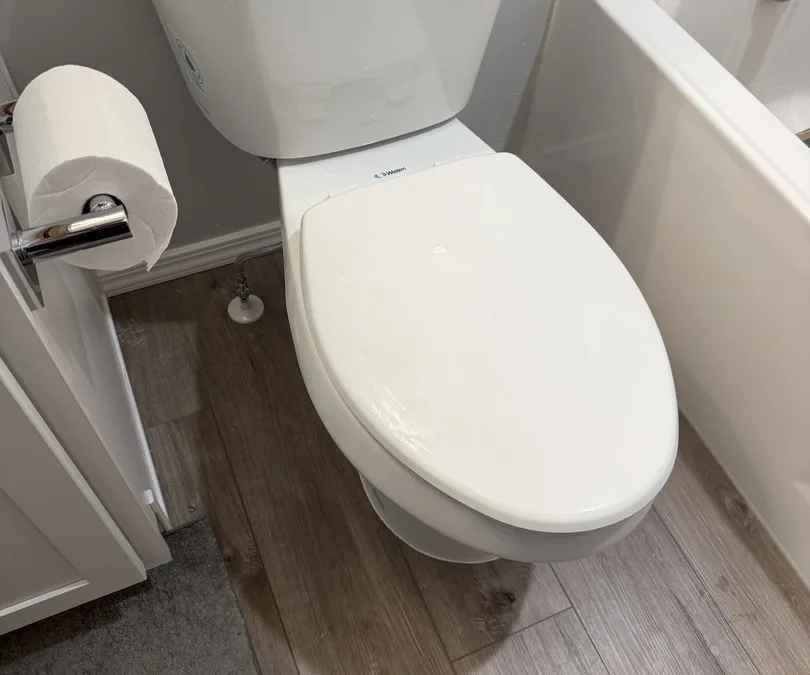
Toilet leak and repair in Caldwell ID
Toilet Leak Repair in Caldwell, Idaho – Recent Plumbing Job
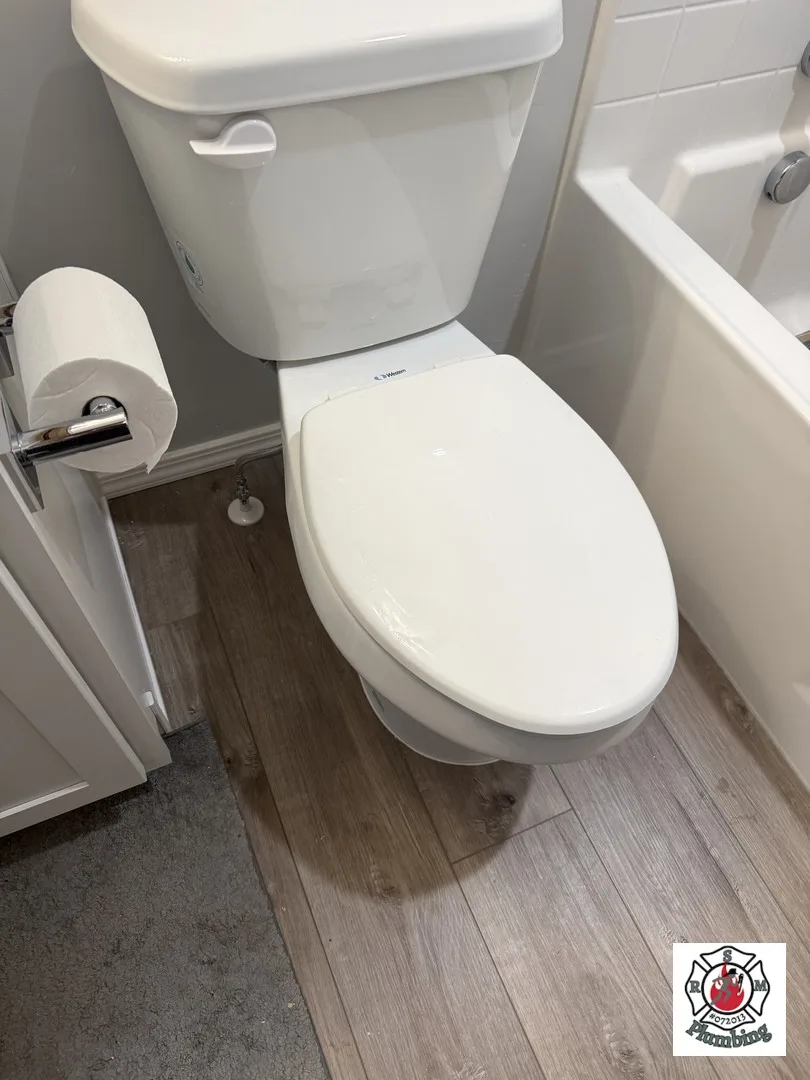
We recently helped a homeowner on Amorica Street in Caldwell, Idaho repair a leaking toilet and restore proper operation. Even small toilet leaks can quickly turn into bigger plumbing problems if they’re left unaddressed.
Our plumber Michael Papp, owner of RSM Plumbing and a retired career firefighter, diagnosed the issue and completed the repair to prevent further water damage and ensure the toilet was working properly again.
What was happening
The homeowner noticed water around the base of the toilet and was concerned about a possible leak. Toilet leaks can develop slowly and sometimes go unnoticed until water begins affecting flooring or surrounding materials.
Because plumbing leaks can cause damage over time, it’s always best to investigate and repair them as soon as possible.
How we fixed the Problem
After inspecting the toilet, Mike identified the source of the leak and completed the repair to restore proper function.
This job involved:
-
Inspecting the toilet and identifying the cause of the leak
-
Completing the necessary repair to stop the water leak
-
Testing the toilet to ensure proper flushing and operation
Addressing leaks early helps homeowners avoid water damage, mold growth, and higher water bills.
5-Star Customer Feedback
We always appreciate when homeowners take the time to share feedback after a job.
This Caldwell homeowner shared the following review:
“Very professional job. Absolutely recommend RSM for any plumbing needed. Thank you Michael.”
— Gary Almeida
Thank you for the kind words and for trusting RSM Plumbing with your home.
Plumbing Services in Caldwell, Idaho
RSM Plumbing is a locally owned plumbing company serving homeowners throughout Caldwell, Idaho and the Treasure Valley. We regularly help homeowners with plumbing issues such as:
If you’re experiencing plumbing problems in Caldwell, our team is ready to help diagnose the issue and get your plumbing working properly again.
How to find your homes Main Water Shut off Valve
How to Find Your Home’s Main Water Shut-Off Valve
One of the most important things every homeowner should know is where the main water shut-off valve is located in their home. If a pipe bursts or a plumbing leak suddenly develops, shutting off the water quickly can prevent serious water damage.
At RSM Plumbing, we always recommend homeowners take a few minutes to locate their main shut-off valve before a plumbing emergency happens.
Why the Main Shut-Off Valve Is Important
Your home’s main water shut-off valve controls the flow of water entering the entire house. When it’s turned off, water stops flowing to all plumbing fixtures including sinks, toilets, showers, appliances, and outdoor faucets.
Knowing where this valve is located allows you to quickly stop water flow if you experience:
• A burst pipe
• A leaking water heater
• A broken faucet or supply line
• A plumbing fixture overflowing
• Major plumbing leaks inside the home
In many situations, shutting off the water immediately can prevent thousands of dollars in water damage.
Common Places to Find Your Main Water Shut-Off
The exact location can vary depending on the age of the home and how it was built, but most homes in Caldwell, Nampa, Meridian, Boise, and the surrounding Treasure Valley will have the shut-off valve in one of these locations.
Near the Water Heater
Many homes have the main shut-off valve located near the water heater where the main water line enters the house.
In a Utility Room or Mechanical Room
In some homes the valve is located in a utility room, laundry room, or mechanical area.
In the Basement or Crawlspace
If your home has a basement or crawlspace, the shut-off valve may be located where the water line enters the foundation.
Near the Front Exterior Wall
Sometimes the valve is located near the front wall of the home where the water service line enters from the street.
What the Valve May Look Like
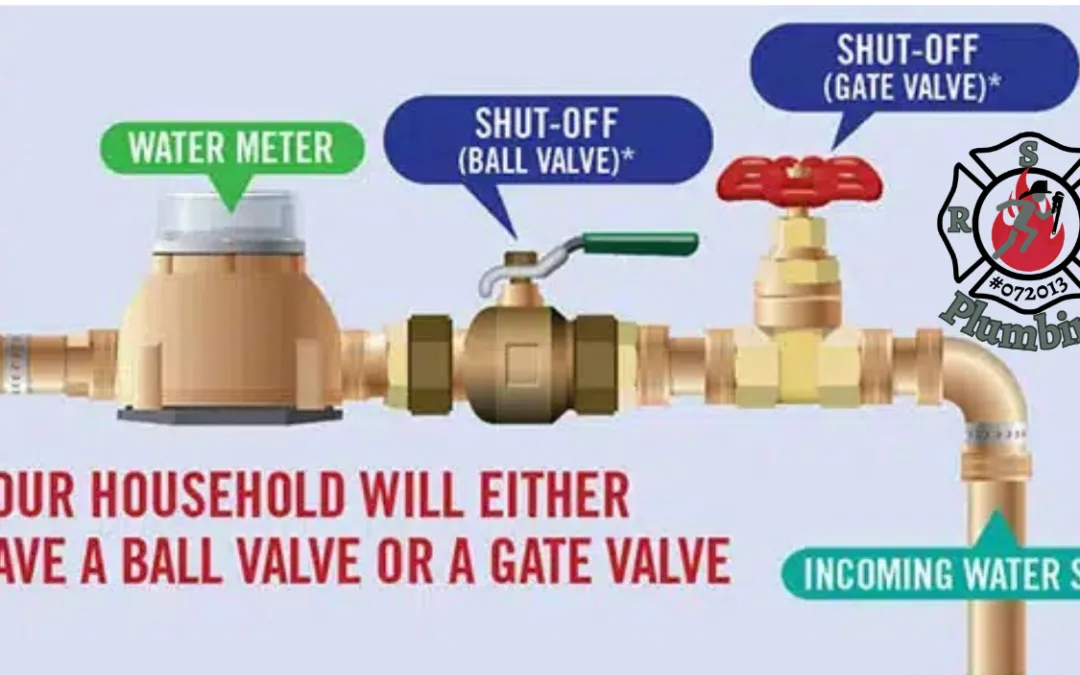
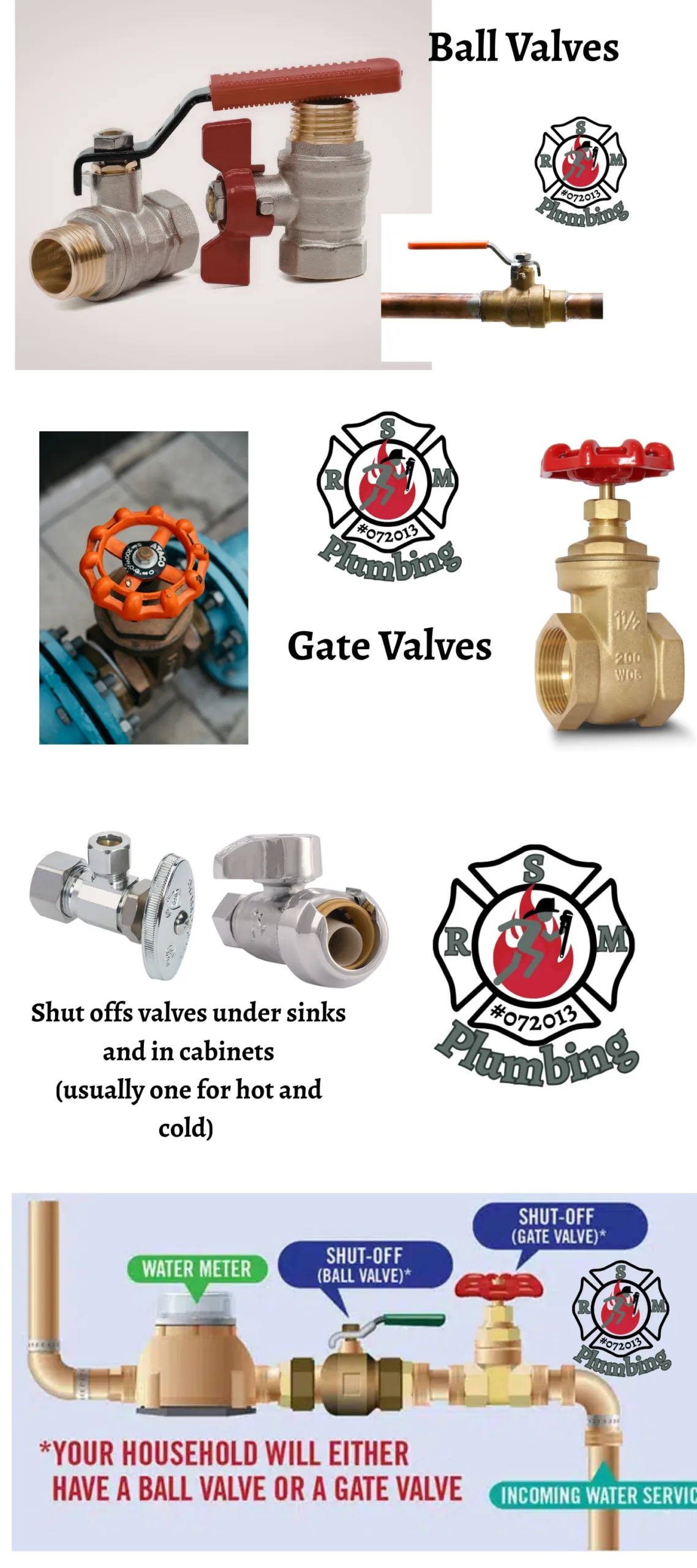
There are two common types of main shut-off valves.
Gate Valve
This type uses a round handle that turns multiple times to close the valve.
Ball Valve
This type uses a lever handle that turns a quarter turn to stop water flow.
Ball valves are more common in newer homes because they are easier and faster to shut off during an emergency.
How to Turn Off the Water
Once you locate the valve:
• Turn the valve clockwise to shut off the water
• If it is a lever-style ball valve, turn the handle 90 degrees until it stops
• After turning the valve off, open a faucet to confirm water has stopped flowing
If the valve is difficult to turn or appears damaged, it may need replacement.
When to Call a Plumber
If you cannot locate your shut-off valve or if the valve no longer works properly, it’s a good idea to have a plumber inspect it. A functioning main shut-off valve is an important safety feature for your home.
At RSM Plumbing, we help homeowners throughout the Treasure Valley locate, repair, or replace their main shut-off valves to ensure they can quickly stop water flow during a plumbing emergency.
Pro Tip for Homeowners
It’s a good idea to show everyone in your household where the main water shut-off valve is located so it can be turned off quickly if needed.
Many homeowners also place a small label or tag near the valve to make it easier to identify.
Frequently Asked Questions
Should every home have a main water shut-off valve?
Yes. Every home should have a main valve that can stop the flow of water entering the house.
How often should I check my shut-off valve?
It’s a good idea to check it once or twice a year to make sure it still turns properly.
What if my shut-off valve won’t turn?
Older valves can sometimes seize up. A plumber can replace the valve with a modern ball valve that operates more easily.
Is the water meter valve the same as the house shut-off?
Not exactly. The meter valve is typically owned by the utility company, while the home shut-off valve is inside the house.
Can shutting off the water damage plumbing?
No. Turning off the main water supply simply stops water flow and does not harm the plumbing system.
Bathroom Cabinet & Faucet Upgrade in Caldwell, Idaho 🚿🔧
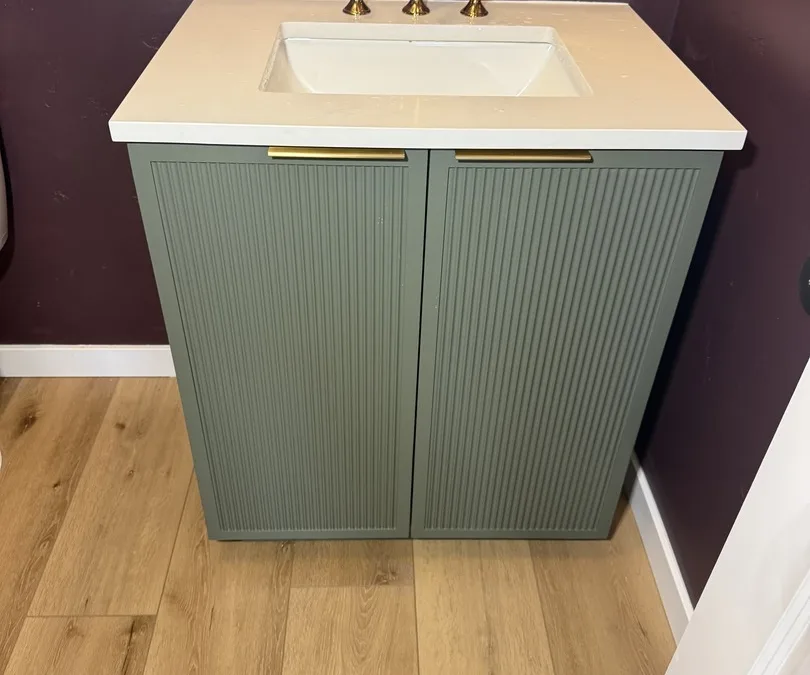
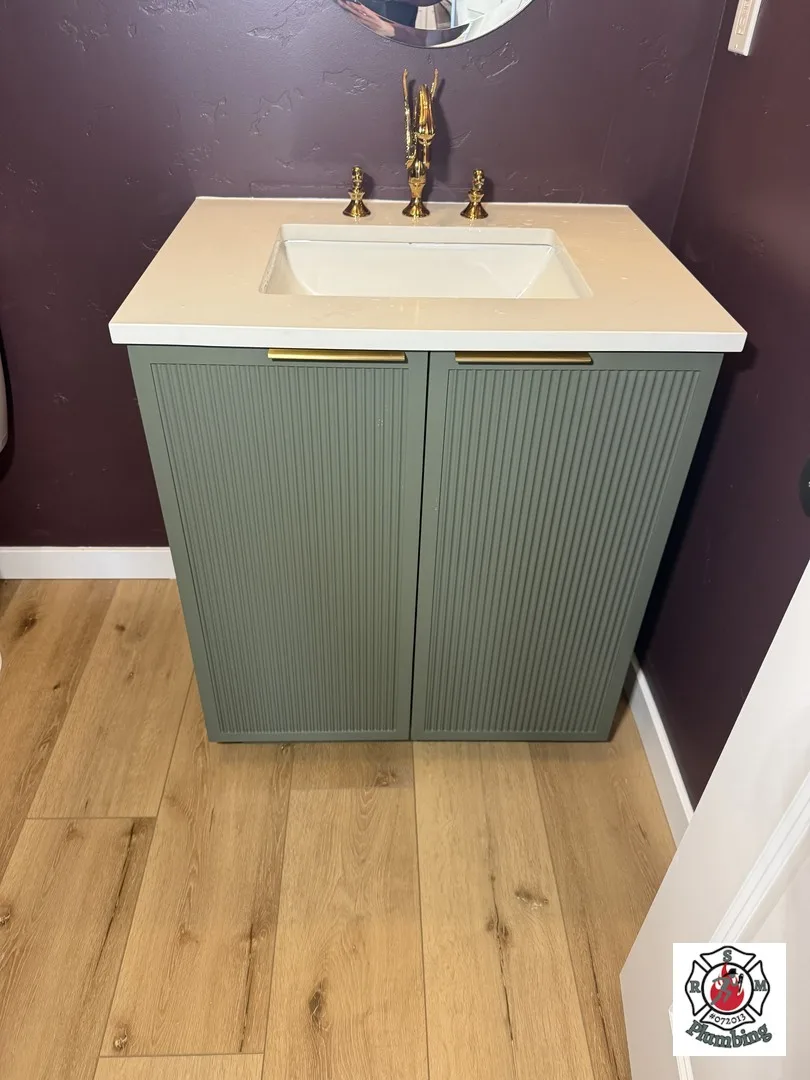
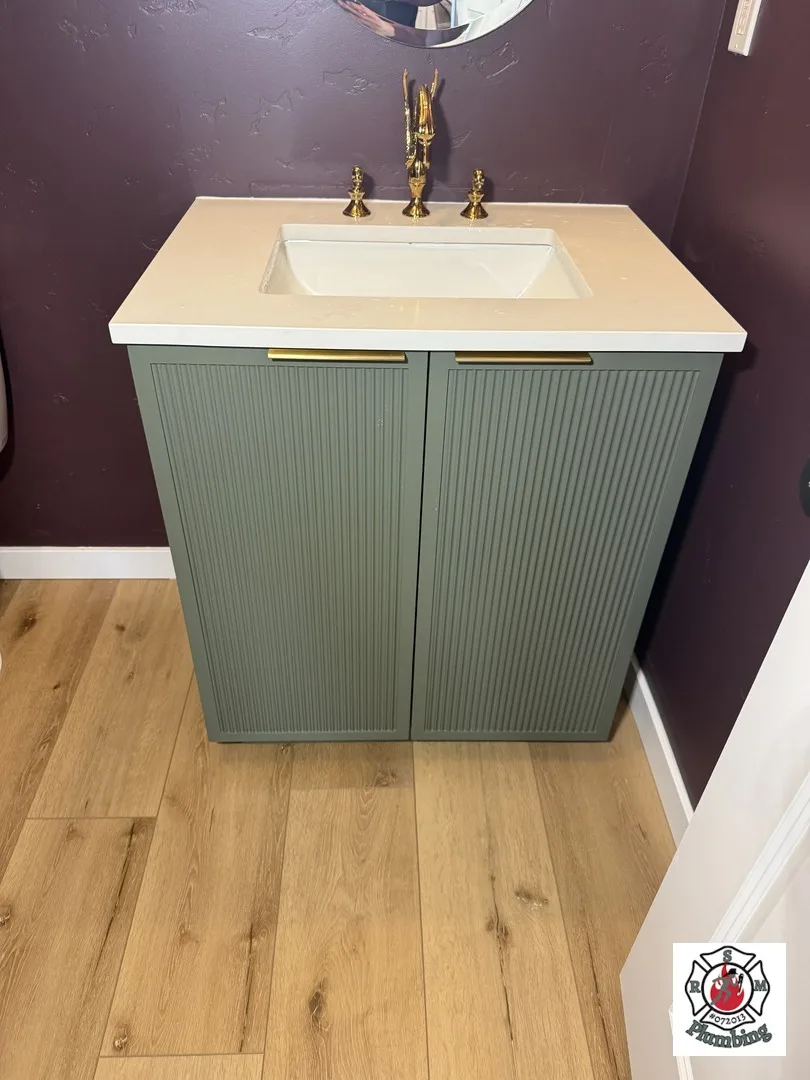
Did you know that RSM Plumbing is not only a licensed plumbing contractor but also holds a General Contractor registration in Idaho? That allows us to help homeowners with complete kitchen and bathroom upgrades as well. For a long-term client in Caldwell, ID, we removed a pedestal sink, installed a new bathroom cabinet, adjusted the base trim to fit properly, and finished the upgrade with a high-fashion polished gold faucet. Small remodel projects like this can make a big difference in both functionality and style.
More Jobs we have in Caldwell
Discover more jobs like this in Caldwell
More Bathroom remodels and makeovers
More bathroom make overs and complete remodels
The History of Orangeburg Sewer Pipes and Why Replacement is Essential
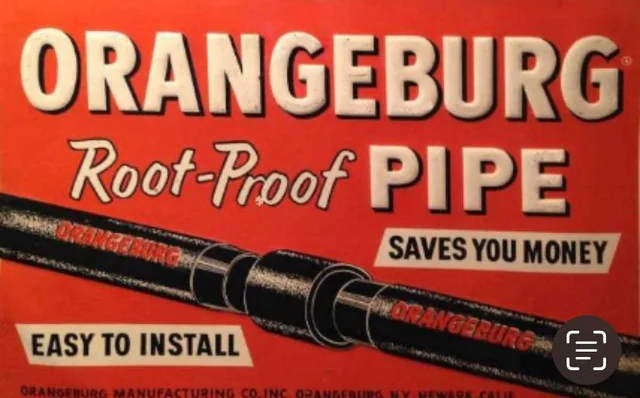
Orangeburg sewer pipes have an intriguing history that begins in the post-World War II era. Originally developed in Orangeburg, New York, these pipes gained popularity due to their affordability and availability during a time of rapid suburban expansion in the United States. Constructed from a combination of wood fibers and pitch, Orangeburg pipes provided a cost-effective alternative to traditional metal pipes.
Origins and Usage of Orangeburg Pipes
During the 1940s through the 1970s, the demand for housing soared, leading to a surge in plumbing infrastructure needs. Orangeburg pipes, also known as “fiber conduit” pipes, were lightweight and easy to transport, making them a popular choice for sewer lines across the country. They were particularly appealing as their production did not rely on metals, which were in short supply post-war.
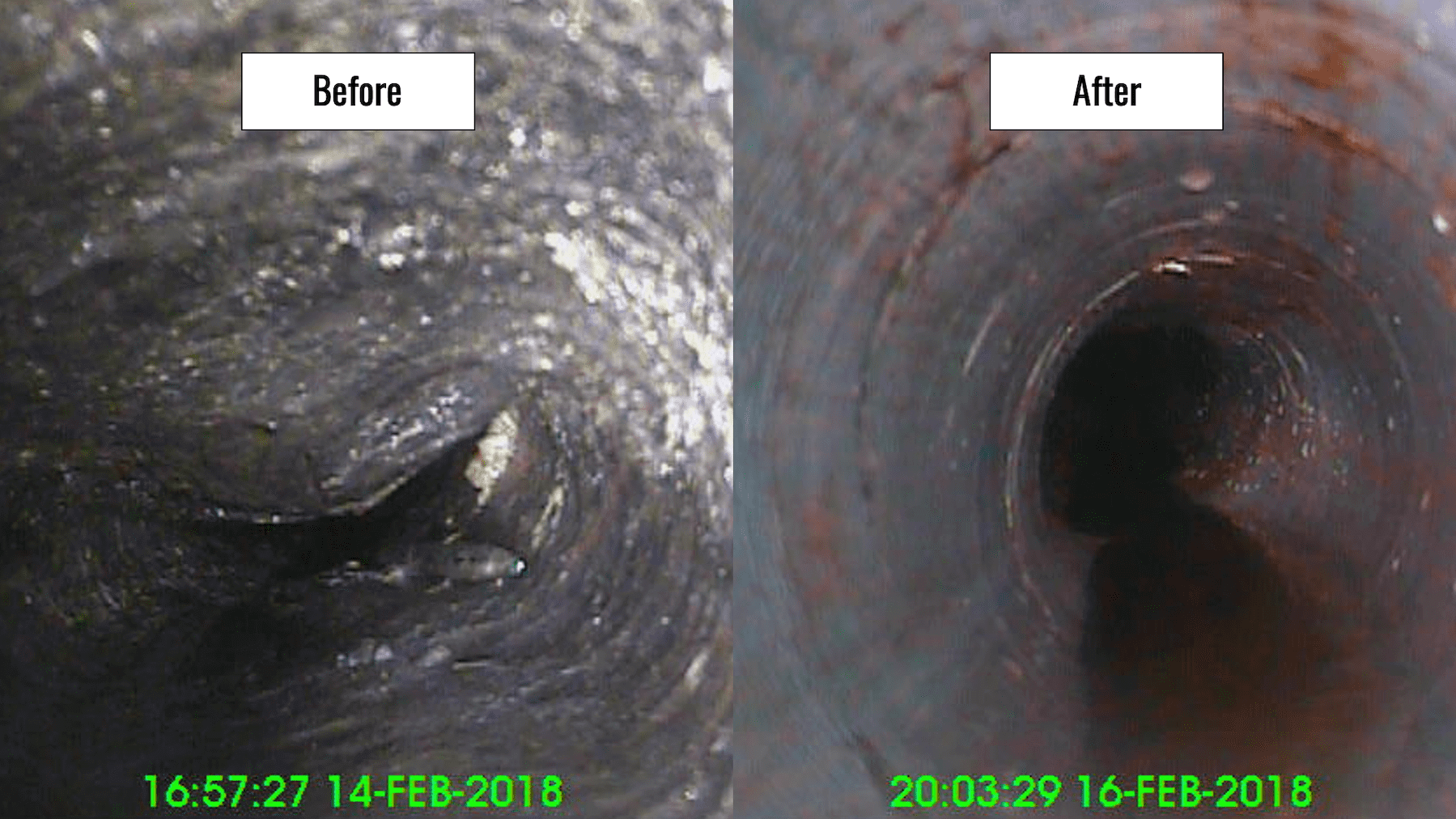
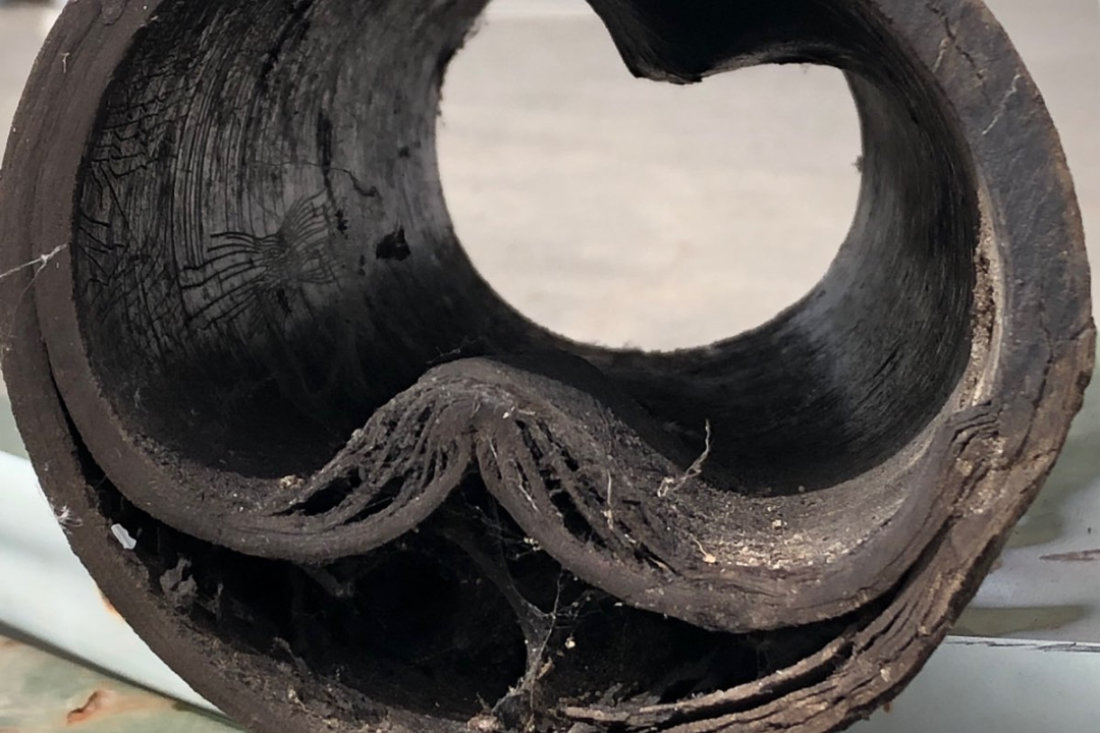
Despite their initial success, Orangeburg pipes had a significant drawback: their organic materials made them inherently fragile. Unlike their metal or PVC counterparts, these pipes could warp, blister, and collapse over time, especially when exposed to moisture and pressure. Typically designed to last about 50 years, many of these pipes have now exceeded their expected lifespan.
The Need for Replacement
For homeowners still relying on Orangeburg pipes, the need for replacement is pressing. Over the decades, these pipes have proven susceptible to a multitude of problems:
-
Deformation: Orangeburg pipes, under the weight of soil and pressure from water flow, can deform and lose their circular shape, leading to blockages and reduced flow capacity.
-
Root Intrusion: Being made of organic materials, these pipes are highly susceptible to root intrusion. Tree roots can easily penetrate the pipe walls, causing severe clogs and damage.
-
Collapses and Leaks: As the pipes age, the chances of collapsing or developing leaks increase significantly, posing serious risks of sewer backups into homes and yards.
-
Blistering and Layer Separation: Over time, the layers of the pipe may separate or develop blisters, further reducing their effectiveness and durability.
RSM Plumbing to the Rescue
For homeowners in Idaho facing the challenges of aging Orangeburg pipes, RSM Plumbing offers expert assessment and replacement services. Our team understands the urgency and technical demands of replacing these outdated systems. We employ the latest techniques and durable materials to replace Orangeburg pipes, ensuring a long-lasting and reliable sewer system for your home.
Replacing Orangeburg pipes not only mitigates the risk of expensive and inconvenient plumbing failures but also significantly enhances the value of your property. Our licensed professionals are committed to providing high-quality service and ensuring your home’s plumbing is secure and efficient.
If you suspect your home may still use Orangeburg pipes, or if you’re experiencing plumbing issues, contact RSM Plumbing today. Protect your home with modern, resilient piping solutions and enjoy peace of mind knowing your sewer system is in capable hands
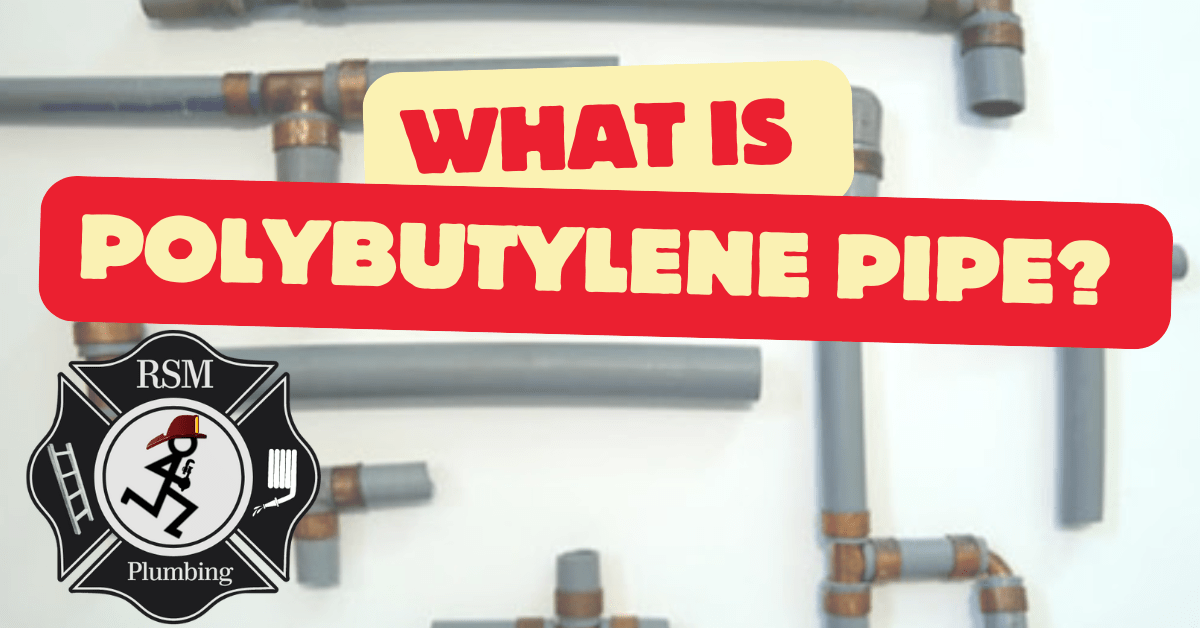
The History of Polybutylene Plumbing: Why It’s Time to Upgrade
As homeowners in the Treasure Valley Idaho region, we take pride in our properties, many of which carry a rich history. However, some aspects of those homes come with hidden risks that could escalate into serious issues. One of the most concerning materials that may be lurking in older plumbing systems is polybutylene pipe. Understanding the history of this material and why it is essential to upgrade is crucial for maintaining a safe and efficient home.
A Brief History of Polybutylene Plumbing
Polybutylene (PB) was introduced in the late 1970s as a cost-effective alternative to traditional copper and galvanized steel pipes. Its flexibility, ease of installation, and resistance to corrosion made it a popular choice for plumbing systems across the United States, including the Treasure Valley area. During its peak usage from the late 1970s to the mid-1990s, millions of homes were constructed with polybutylene pipes due to their appealing price point and purported durability.
However, as years went by, problems began to emerge with this once-believed revolutionary material. By the late 1990s and early 2000s, homeowners started to report significant issues with polybutylene plumbing, leading to widespread concern and eventual litigation against manufacturers.
The Downfall of Polybutylene Plumbing
Despite the initial optimism surrounding polybutylene, the reality of its performance turned out to be troubling. Here are some of the principal issues associated with polybutylene plumbing:
-
Chemical Sensitivity: Polybutylene is highly susceptible to degradation when exposed to chlorine and other chemicals commonly found in municipal water supplies. Over time, this exposure can weaken the pipes and lead to cracks.
-
Temperature Fluctuations: The Treasure Valley region experiences a range of temperatures, which can cause the polybutylene pipes to expand and contract. This repeated stress can lead to leaks and ruptures in the plumbing system.
-
High Failure Rate: Homes installed with polybutylene often experience leaks and failures, resulting in costly repairs and water damage. Homeowners in the Treasure Valley are not exempt from these risks, and many have faced significant challenges related to their plumbing systems.
-
Insurance Complications: As the issues with polybutylene pipes became more apparent, many insurance companies began to raise premiums or refuse coverage for homes featuring this plumbing material. This situation made it increasingly difficult for homeowners to secure adequate insurance.
The Importance of Upgrading
Given the documented risks associated with polybutylene plumbing, it is crucial for homeowners to consider upgrading their plumbing systems. Here are several reasons why this upgrade is essential, particularly for those in the Treasure Valley:
-
Cost Prevention: Investing in newer, more reliable plumbing materials like PEX or copper can save significant money in repairs and property damage. Upgrading helps you avoid the hidden costs that come with reactive repairs due to leaks and ruptures.
-
Enhanced Property Value: Upgrading your plumbing system can significantly boost your home’s value. Many prospective buyers in the Treasure Valley will shy away from homes with outdated plumbing, so an upgrade can enhance your marketability.
-
Health and Safety: Newer plumbing materials are less likely to leach harmful chemicals into the water supply, ensuring that the drinking water in your home remains clean and safe for you and your family.
-
Greater Efficiency: Modern plumbing materials provide better overall performance and efficiency, which can lead to lower water bills and improved capabilities throughout your plumbing system.
-
Peace of Mind: An upgraded plumbing system means fewer worries about potential leaks and plumbing failures. You can rest easy knowing that your plumbing is reliable and compliant with current standards.
Conclusion
While polybutylene plumbing was once seen as an innovative solution, its risks and complications have made it increasingly outdated and problematic. If your home in the Treasure Valley was built within the timeframe when polybutylene was commonly used, it’s crucial to assess the condition of your plumbing and consider an upgrade.
At RSM Plumbing, we specialize in evaluating plumbing systems and providing expert recommendations for upgrades. Don’t wait for a plumbing disaster to occur—contact us today to schedule a professional inspection and take the proactive steps needed to protect your home and your investment!
UPGRADE YOUR VINTAGE HOME’S PLUMBING
Upgrade Your Vintage Home’s Plumbing: Ensure Safety and Efficiency
Owning an older home comes with its own charm and history, but it also brings unique challenges, particularly with outdated plumbing systems. One of the most pressing issues for homeowners with older properties is the presence of polybutylene pipes. Widely used between the 1970s and 1990s, polybutylene pipes were once considered revolutionary. However, over time, they have proven to be prone to significant problems, including leaks and bursts, which can lead to extensive water damage and costly repairs.
### Why Updating Your Plumbing is Crucial
**1. Prevent Water Damage:**
Polybutylene pipes are notorious for deteriorating over time. As they age, they become brittle and susceptible to breaks, often without warning. Upgrading your plumbing system can prevent unexpected pipe bursts that cause water damage to your home’s structure and belongings.
**2. Improve Water Quality:**
Old plumbing, especially polybutylene pipes, can impact your water quality. These pipes can leach chemicals into your water supply, posing potential health risks. Replacing them with modern, safe piping materials ensures clean and safe water for your family.
**3. Increase Home Value:**
Investing in plumbing upgrades not only enhances your daily living experience but also boosts your home’s market value. Potential buyers are more likely to consider a home with updated plumbing as it signifies lower maintenance costs and increased reliability.
**4. Avoid Costly Repairs:**
Addressing plumbing issues proactively saves you money in the long run. Waiting until a pipe bursts or a severe leak occurs can result in expensive emergency repairs and water damage restoration.
**5. Ensure Compliance with Current Standards:**
Building codes and plumbing standards have evolved significantly over the decades. Updating your plumbing ensures compliance with current regulations, providing peace of mind and avoiding potential legal issues.
### Specialized Solutions for Old Home Plumbing
Our team specializes in assessing and upgrading the plumbing systems of older homes. We understand the unique needs and challenges that come with maintaining the integrity and functionality of historic properties. Our services include:
– **Polybutylene Pipe Replacement:** We expertly replace outdated polybutylene pipes with modern, durable alternatives that guarantee longevity and reliability.
– **Comprehensive Plumbing Inspections:** Our thorough inspections identify potential issues before they become major problems, ensuring your home’s plumbing system is in top condition.
– **Customized Plumbing Solutions:** Every home is different, and we tailor our services to meet the specific needs of your property, preserving its charm while enhancing its functionality.
Don’t wait until it’s too late. Ensure your old home’s plumbing system is safe, efficient, and up-to-date. Contact us today for a free consultation and take the first step towards safeguarding your home’s plumbing.

Common Plumbing Issues in Older Homes: What You Need to Know
If you live in or are considering purchasing an older home, you’re likely drawn to the charm and character these houses offer. However, older homes often come with their fair share of plumbing issues. Understanding these potential problems can help you maintain your home better and avoid costly repairs down the line. Here are some of the most common plumbing issues found in older homes:
1. Galvanized Pipes
One of the most prevalent issues in older homes is the presence of galvanized pipes. These pipes, which were commonly used in homes built before the 1960s, are coated with zinc to prevent rusting. However, over time, the zinc erodes, leading to corrosion and rust build-up inside the pipes. This can cause reduced water pressure, discolored water, and, ultimately, pipe leaks or bursts.
Solution: Consider replacing galvanized pipes with modern alternatives like copper or PEX (cross-linked polyethylene) pipes.
2. Pipe Bellies
As homes settle over the years, the pipes beneath them can shift, creating what is known as “pipe bellies.” These are sagging sections of pipe that can lead to water pooling, increased pressure on joints, and eventually, leaks or pipe bursts.
Solution: A professional plumber can inspect your pipes with a camera to identify any bellies and suggest appropriate repairs, which might include replacing or re-routing affected sections.
3. Outdated Sewer Lines
Older homes often have sewer lines made from clay, cast iron, or Orangeburg (a type of bitumen pipe), which can deteriorate over time. Tree roots are particularly problematic as they can infiltrate these old sewer lines, causing blockages and backups.
Solution: Regular sewer line inspections and cleanings can help prevent major issues. In some cases, replacing the sewer line with more durable materials like PVC might be necessary.
4. Faulty Plumbing Fixtures
Plumbing fixtures in older homes, such as faucets, showerheads, and toilets, can wear out or become outdated. These fixtures may not only be less efficient but also more prone to leaks and other problems.
Solution: Upgrading to modern, water-efficient fixtures can improve functionality and reduce water usage.
5. Low Water Pressure
A common complaint in older homes is low water pressure. This can result from various factors, including corroded pipes, pipe bellies, and outdated fixtures.
Solution: Identifying the root cause of low water pressure is essential. A professional plumber can diagnose the issue and recommend appropriate repairs, which might include pipe replacement, fixture upgrades, or installing a pressure-boosting system.
6. Leaking Faucets and Pipes
Wear and tear over the years can cause faucets and pipes to leak. Leaking faucets are not only annoying but can also waste a significant amount of water over time.
Solution: Regularly inspect your plumbing for leaks and address them promptly. Replacing worn-out washers or seals can often fix leaking faucets, while pipe leaks might require more extensive repairs or replacements.
7. Water Heater Issues
Older homes often have older water heaters that can become less efficient and more prone to problems over time. Sediment build-up, corrosion, and worn-out components can lead to insufficient hot water and even water heater failure.
Solution: Regular maintenance, such as flushing the water heater to remove sediment, can extend its lifespan. If your water heater is more than 10-15 years old, it might be time to consider a replacement.
Conclusion
Owning an older home comes with unique challenges, especially when it comes to plumbing. Being aware of these common issues can help you take proactive measures to maintain your home’s plumbing system. Regular inspections and timely repairs are crucial to avoiding major plumbing disasters and preserving the charm and functionality of your older home. If you’re unsure about the condition of your plumbing, consulting with a professional plumber can provide peace of mind and expert guidance on necessary updates and repairs.
The top 10 plumbing myths debunked: separating fact from fiction
Plumbing is an essential aspect of our daily lives, and yet there are so many misconceptions about it. As a plumbing contractor in Boise, Idaho, we've encountered countless plumbing myths over the years. In this blog, we will debunk the top 10 plumbing myths and separate fact from fiction.
1. Myth: Lemons can clean your garbage disposal.
Fact: While lemons may help freshen up the smell of your garbage disposal, they won't clean it. To clean your garbage disposal, use a specialized cleaner or call a professional.
2. Myth: You can flush anything down the toilet.
Fact: Flushing anything besides toilet paper and human waste can clog your pipes and cause damage to your plumbing system.
3. Myth: DIY plumbing repairs can save you money.
Fact: While DIY plumbing repairs may seem cost-effective, they can lead to more expensive repairs if done incorrectly. It's always best to call a professional plumber to avoid further damage.
4. Myth: A leaky faucet isn't a big deal.
Fact: A leaky faucet can waste a significant amount of water and increase your water bill. It's best to address the issue as soon as possible to avoid further damage.
5. Myth: Plumbing fixtures never need to be replaced.
Fact: Plumbing fixtures have a limited lifespan and will eventually need to be replaced. Replacing them can improve water efficiency and quality.
6. Myth: Drain cleaners are a safe and effective way to clear clogs.
Fact: Drain cleaners can cause damage to your plumbing system and are not always effective in clearing clogs. It's best to call a professional plumber to handle clogs.
7. Myth: All plumbers are the same.
Fact: Not all plumbers have the same level of expertise and experience. It's essential to do your research and find a reputable and experienced plumber.
8. Myth: Water heaters never need maintenance.
Fact: Water heaters require regular maintenance to avoid breakdowns and prolong their lifespan.
9. Myth: Plumbing problems will fix themselves over time.
Fact: Plumbing problems will not fix themselves and will only get worse if ignored. It's best to call a professional plumber as soon as possible.
10. Myth: Plumbing isn't a necessary expense.
Fact: Plumbing is essential for maintaining a safe and healthy living environment. The cost of repairs and maintenance is a necessary expense to ensure the longevity and efficiency of your plumbing system.
In conclusion, there are many plumbing myths that can lead to costly mistakes and damage to your plumbing system. As a plumbing contractor in Boise, Idaho, we're here to help separate fact from fiction and provide you with reliable and trustworthy plumbing services.
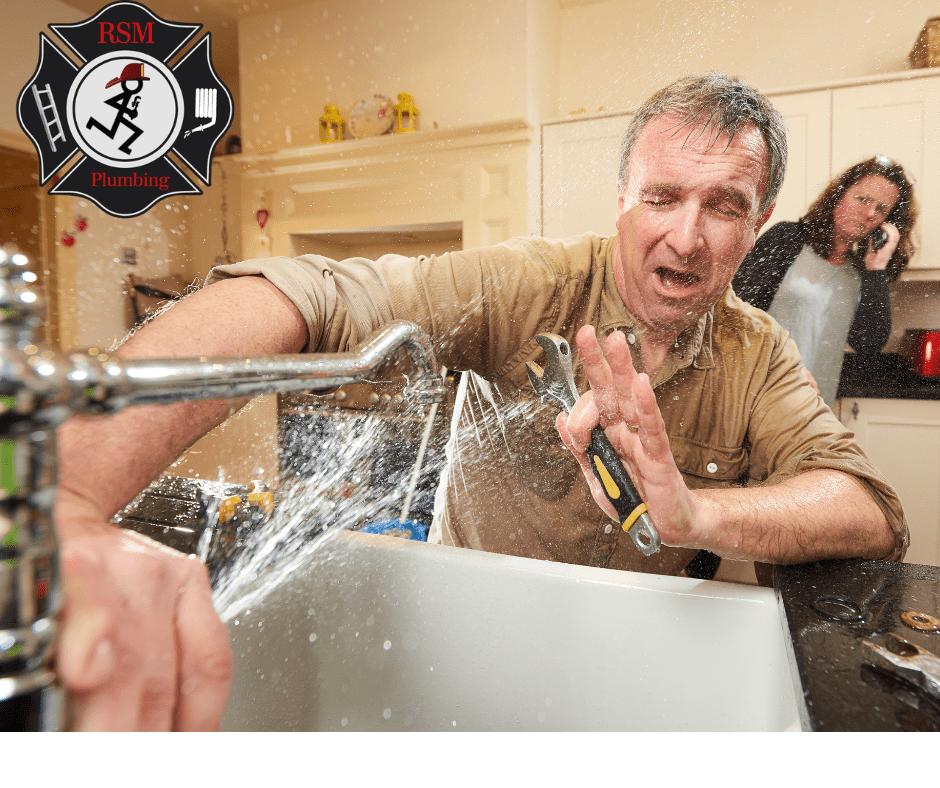
The hidden dangers of DIY plumbing repairs for Idaho homeowners
Do-it-yourself (DIY) plumbing repairs can seem like a cost-effective solution for homeowners in Idaho, especially those looking to save money on home maintenance. However, DIY plumbing repairs come with hidden dangers that can end up causing more harm than good. In this blog post, we’ll explore the risks associated with DIY plumbing repairs and why it’s important to hire a professional plumber for your home’s plumbing needs.
Safety Hazards Plumbing repairs often involve working with pipes, valves, and water lines that can be dangerous if not handled correctly. A professional plumber has the knowledge and experience to work safely and avoid injury, but an amateur attempting a DIY repair may inadvertently put themselves at risk.
Lack of Expertise Plumbing systems can be complex, and a DIY repair may not address the underlying problem or may even make the issue worse. A professional plumber has the expertise to diagnose and repair the issue correctly the first time, saving homeowners time and money in the long run.
Costly Mistakes DIY repairs can end up costing homeowners more money if mistakes are made. For example, a homeowner attempting to fix a leaky pipe may accidentally cause a flood, resulting in expensive water damage repairs.
Violating Building Codes Homeowners attempting DIY plumbing repairs may not be aware of local building codes and regulations, resulting in code violations and potential fines. Professional plumbers are licensed and certified, ensuring that repairs are made to code.
Voided Warranties Many plumbing fixtures and appliances come with warranties that require professional installation or repair. Attempting DIY repairs can void these warranties, resulting in homeowners paying out-of-pocket for repairs that should have been covered.
In conclusion, DIY plumbing repairs may seem like a cost-effective solution for Idaho homeowners, but the hidden dangers can end up costing more time, money, and hassle in the long run. It’s important to hire a professional plumber for all plumbing repairs to ensure safety, expertise, and compliance with building codes and warranties. By doing so, homeowners can have peace of mind knowing that their plumbing system is in good hands.